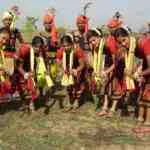

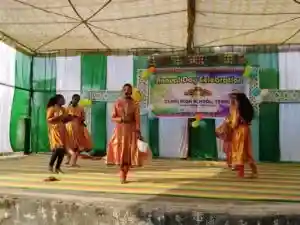
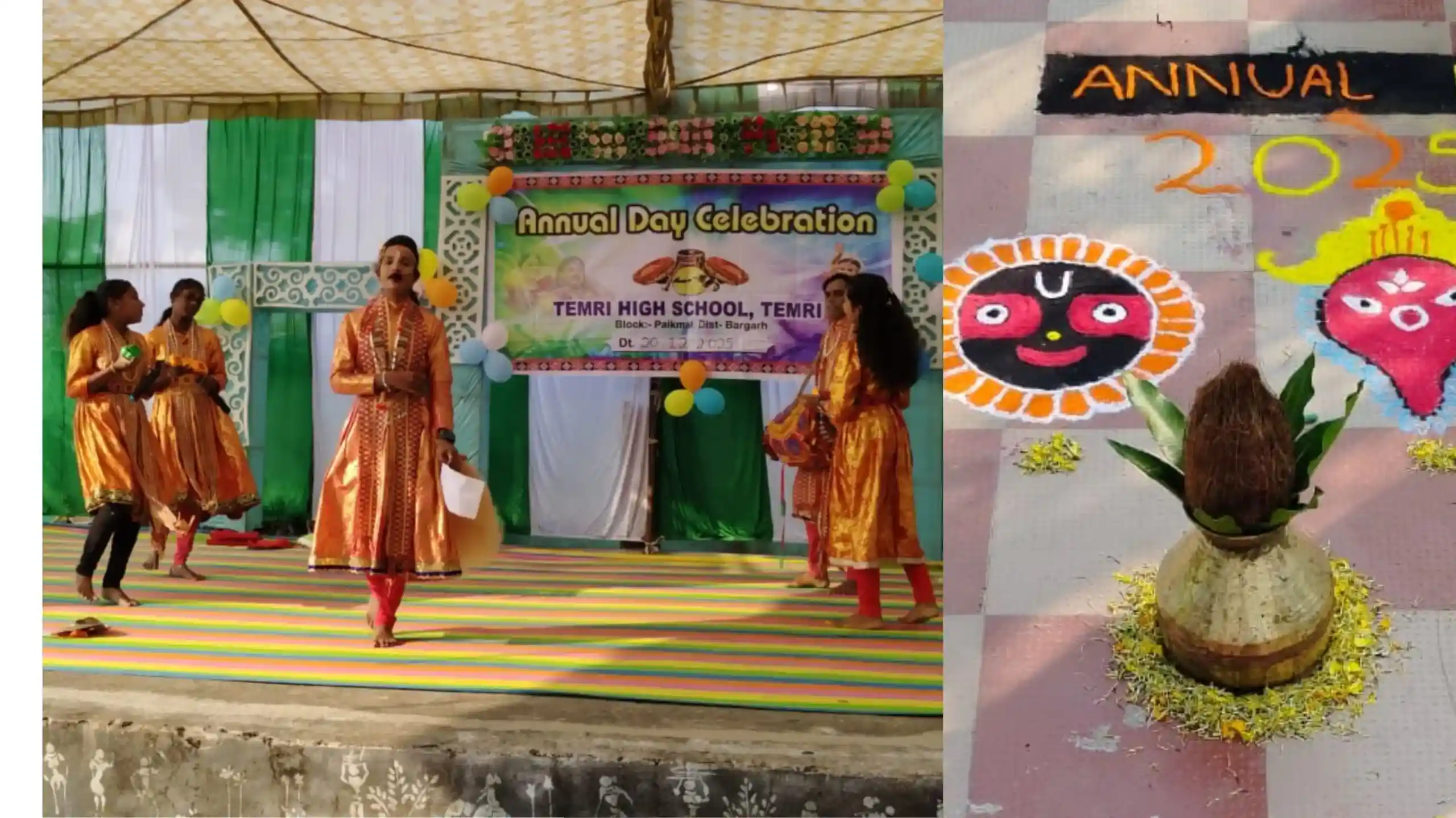
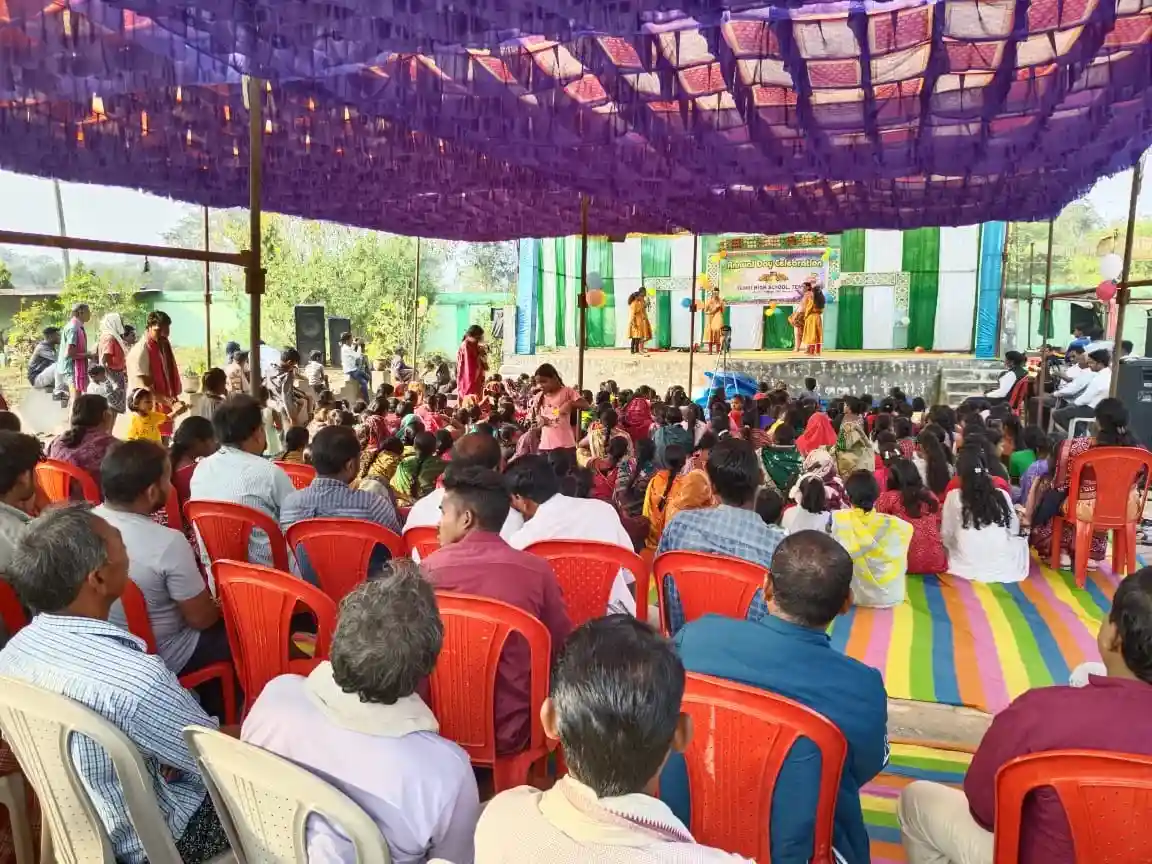
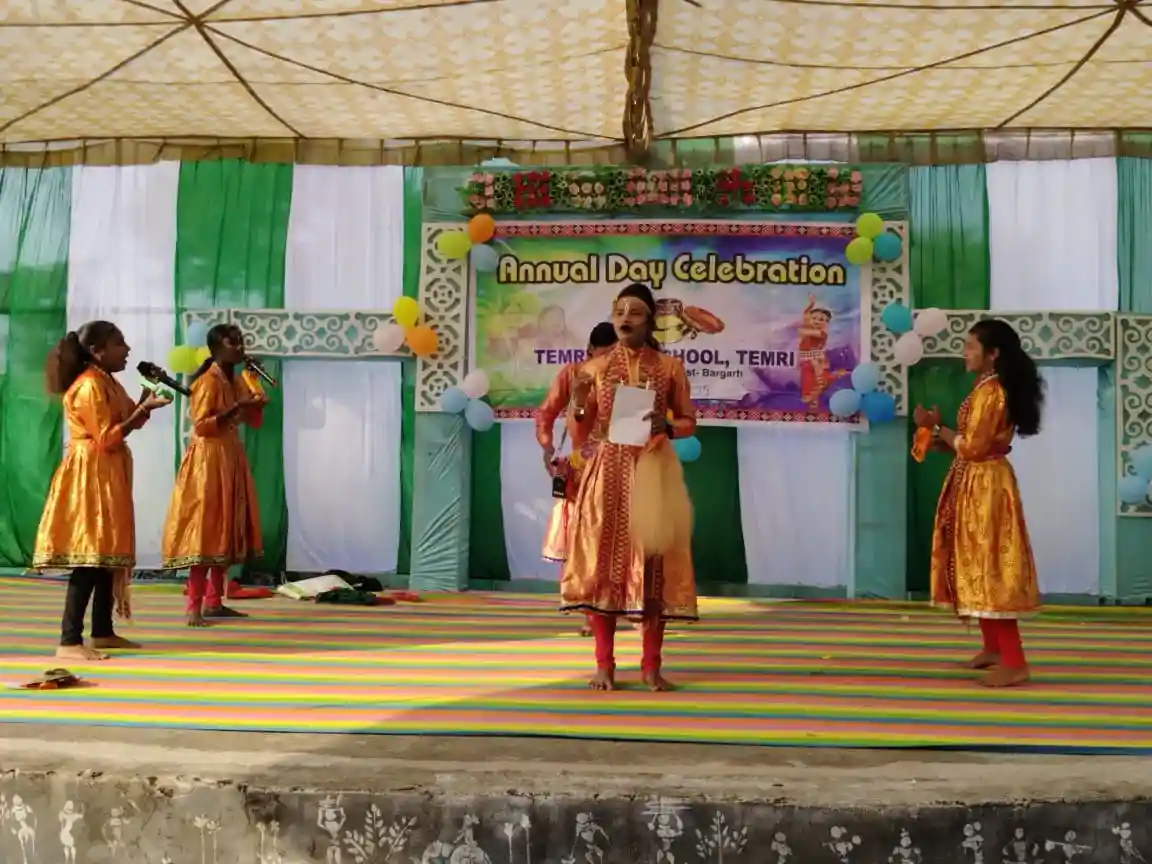
What happened on December 20, 2025, at Temri High School in Paikmal block of Bargarh district, Odisha, was not just another school annual function. It was a historic moment in the revival of Odisha’s traditional Pala culture. During the annual celebration, Class 9 and 10 girls presented a complete one-hour Pala performance based on village history, leaving everyone spellbound.
Understanding Pala: A Living Heritage
Pala is a sophisticated folk theatrical form of Odisha that combines song, music, dance, and acting in powerful harmony. This music-based folk drama has a centuries-old history. Emerging during the Mughal Emperor Akbar’s reign as a symbol of Hindu-Muslim friendship, it began by propagating the glory of Satyanarayan or Satyapira. Over time, this art form evolved into a rich cultural tradition, incorporating Puranas, epics, and diverse themes from Odia literature. However, in recent decades, this ancient art has been facing a crisis. Modernization, the spread of electronic entertainment media, and social apathy have pushed this traditional form to the margins. Veteran Pala gurus are passing away one after another, and new talent is not entering the field. In rural areas where Pala was once the primary medium of entertainment and education, its presence is now fading.
The Birth of an Idea
The Village History program began at Temri High School last September. Students were encouraged to document their village’s history. Then something extraordinary happened. Student Renuka Hati, who had been performing Pala in various villages since Class 8, made a bold proposal to Swayamprava Parhi, Editor, Samadhwani: “Madam, if you support us, we will try to create a Pala based on village history.”


This was not just a dream; it was the seed of cultural transformation. The students were given guidance on the core objectives of village history, some songs, and concepts. From November onwards, they immersed themselves deeply in script writing. In just two to three months, these teenagers created something remarkable enough to surprise even established Pala artists.
Traditional Pala is primarily based on Puranas, epics, or religious themes. But Temri High School students took an innovative approach. Their Pala’s subject matter is not related to mythology or religion; it centers on Temri village’s past, its forests, agriculture, and cultural life. Through this Pala, the students are making a humble appeal to everyone to understand, recognize, value, and protect their village and its resources. This is not merely a cultural performance; it is a powerful message about local heritage and environmental consciousness.
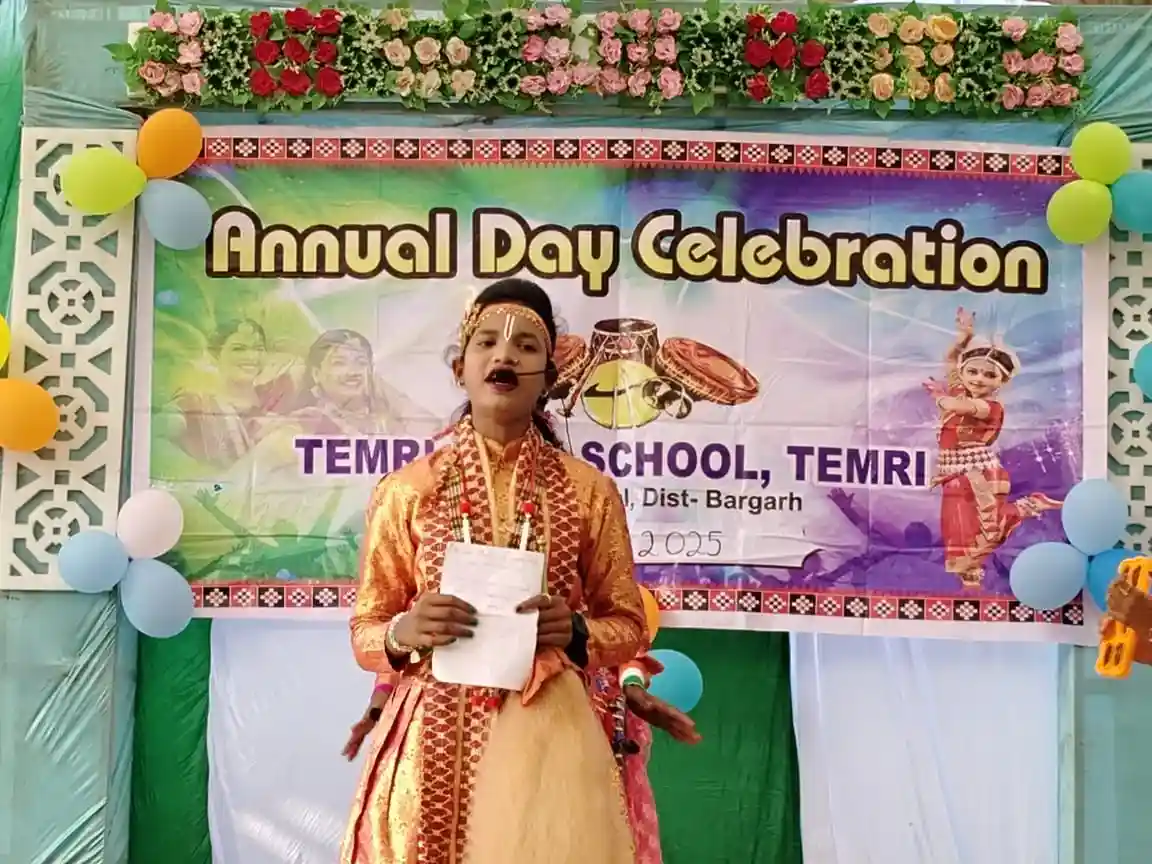
On December 20, the first public performance took place at Temri High School’s annual function. Headmaster Sri Dolamani Bhoi had invited Swayamprava Parhi, editor of Samadhwani, as the guest of honour, though health reasons prevented attendance. However, Samadhwani’s associate Laxmidhar Murmu was present and recorded the performance. For nearly an hour, the students mesmerized hundreds of people with this village history-based Pala. Lead vocalist Renuka Hati, Bayak (respondent) Indramani Patra, and chorus members, including Basanti Banchhor, Nima Barik, and Chandini Banchhor, delivered an unprecedented performance. Under the guidance of Pala guru Prahlad Hans, the team created a complete and high-quality Pala.
When students of such young age can use their creativity to produce high-quality Pala, it offers hope that the future of this art form is secure in the hands of this young generation. Temri High School students have demonstrated that Pala can present local history, environmental awareness, and social issues, not just religious themes. This makes Pala relevant to new generations and contemporary times. Over the past four to five decades, women have begun entering the Pala world. These teenagers from Temri High School are not just singers or chorus members—they are scriptwriters, coordinators, and creative artists. This is a powerful example of women’s leadership in folk arts. Combining formal education with cultural learning is essential. Temri High School has created an excellent example by connecting village history documentation with traditional art forms like Pala, helping students recognize their roots with pride.
Pala was once extremely popular in Odisha’s villages. The simplicity of language, diverse styles, expressive singing with gestures, and engaging musical performances created a special attraction among audiences. Performed with the help of mridanga, cymbals, manjira, and chamara, this art was an integrated medium of religious propagation, literary discussion, moral education, and entertainment. But in recent times, we seem to have been ignoring Pala culture. We are busy turning away from Puranic scriptures, literary discussions, traditional dance, and music. Traditional Pala gurus are retiring, and new talent is not coming forward to preserve this art.
Researchers Dr. Tapaswini Guru and Dr. Ajit Kumar Muni have expressed concern that unless we change our perspective and mentality, an ancient, cultured tradition like Pala cannot be saved from the possibility of extinction in the near future.
A Ray of Hope
At a time when Pala art is facing a crisis, a ray of hope has emerged from a small rural school in the Bargarh district. Renuka Hati, Indramani Patra, Basanti Banchhor, Nima Barik, Chandini Banchhor, and their guru Prahlad Hans; these names may be familiar to a few today. But what they have demonstrated is a signal of cultural revolution. They have proven that Pala is not just a memory of the past; it is a possibility for the future.
Where there is willpower, where there is respect for one’s roots, where there is creativity, no art form can die.
Samadhwani will strive to recognize and encourage the efforts of these talented students from Temri High School. This is not just a performance; it is a message that Pala art is still alive and relevant today. It will set an example that high-quality cultural programs are possible even in rural schools. It will inspire other schools and students as well.
Temri High School students have taken a significant step. But this is just the beginning. Pala should not be limited to Puranas and religion. Contemporary issues like environmental conservation and climate change, women’s empowerment, the importance of education, social reform, village culture and traditions, and stories of hills and forests can be included as Pala themes. Just as Temri High School students performed Pala by integrating it with village history, other schools can also create Palas based on their own village histories.
A Cultural Change Begins
Pala art will survive because our young generation is determined to keep it alive. The young girls of Temri High School have taught us that change does not start from big cities or grand stages; change begins from small villages, ordinary schools, and the hearts of young girls who dare to dream boldly. Samadhwani salutes all these talented students from the heart and wishes them continuous progress and success. Samadhwani is committed to providing these students with a respectable platform and will take steps to ensure their extraordinary effort inspires other schools and the younger generation.