Editorial Note:
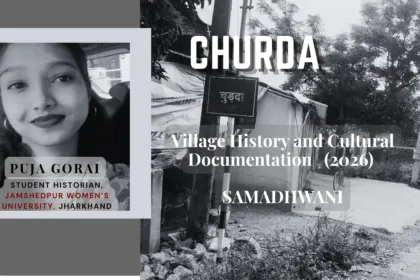
Puja Gorai is an English Honours student at Jamshedpur Women’s University, Jharkhand. She comes from Churda village in Patamda Block, East Singhbhum, and took part in Samadhwani’s Village History and Cultural Documentation Internship, which asks students to research and record the histories of their own villages. Over the course of the program, Puja interviewed village elders, teachers, workers, and her own family members, and documented Churda’s origins, festivals, food, games, livelihoods, and present-day problems, closing with a practical proposal of her own for preserving its heritage. For this careful documentation, Samadhwani has awarded her the title of Student Historian. We are grateful to Jamshedpur Women’s University for letting its students take part, and we invite you to read her essay and share your thoughts. – Swayamprava Parhi
About the researcher

I am Puja Gorai, currently pursuing my bachelor’s in English Honours, 5th semester of the 3rd year, at Jamshedpur Women’s University in Jamshedpur, Jharkhand. As an undergraduate student, I have a strong interest in research and documentation. As part of my academic internship, I have undertaken this research on Village History as part of a documentation given by Samadhwani. The primary objective of this project is to understand the origin, development, traditions, customs, and way of life of the people of Churda Village through systematic research. This work is based on field visits, personal observations, interviews with local residents, and the study of relevant books, records, and other reliable sources.

Being both a researcher and a child of this village, I have approached this study with sincerity, objectivity, and respect for the local community. I have made every effort to collect accurate information and present it in a clear and organized manner. Through this research, I hope to contribute to the preservation of the village’s history and provide useful information for future researchers, students, and readers interested in local history and cultural heritage.
Throughout this study, I interacted with village elders, visited important places, observed local traditions, and referred to available records to gather authentic information. This journey allowed me to see my village from both a personal and academic perspective.
This research has been more than an academic project; it has been a journey of discovering my roots. I sincerely hope that this work will preserve the history of Churda Village and inspire future generations to take pride in and protect their cultural heritage.
About the Village ‘Churda’
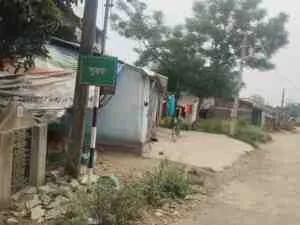
Every village has its own unique history and identity, shaped by generations of communities who have preserved their customs and heritage. Churda is a village located in Patamda block of East Singhbhum district in Jharkhand state. It is also located within a convenient distance of approximately 40 km from Jamshedpur. Due to its strategic location, Churda maintains cultural, social, and economic connections with the surrounding villages as well as nearby urban areas. Churda is surrounded by open fields and greenery, providing a peaceful and favourable environment for rural life. It is surrounded by a hill named Dungri pahar; this hill is a major source of timber in the village. There is also a forest named Cholabera; people do collect timber from there as well. A diverse range of tree species is found in the forests of this Village. Some of the major tree species found in the forest include: Jackfruit, Mango, Peepal, Sal, Palash, Mahua, Kendu, Kusum, and a few herbs like Kalmegh, Bhui, Amla, Tulsi, and Vasaka.
These herbs are widely used by the villagers to treat their common ailments through traditional medical practices. Villagers also prepare natural colours by extracting the juice of Palash flowers and later use those colours in festivals like Holi.
A small river also passes by it, named Totko Nodi. The river is a major source of water for agriculture for the villagers.
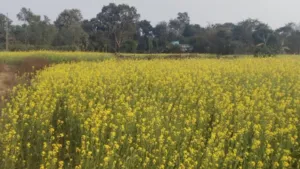
The soil of Churda mainly consists of lateritic soil and black soil. The soil in the village is mainly suitable for agriculture. Paddy and mustard are the principal crops, while seasonal vegetables and pulses are also cultivated depending on rainfall and irrigation facilities. Agriculture remains one of the primary occupations of the villagers and plays an important role in the local economy.
This village is home to 250 households and 8 communities, which include Teli, Gowd, Bania, Nai, Bhumij, Kurmi, and Dom. These communities live together peacefully and contribute to the village’s social, cultural, and economic life.
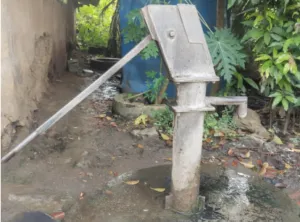
Talking about the availability of water, the village has proper management of water resources now, the water resources of this village consist of both traditional sources, such as ponds and wells, and modern facilities, including private hand pumps, borewells, and piped water supplied through government programs. Almost every household in the village has installed Private hand pumps within their residential premises, ensuring convenient access to groundwater for their daily domestic needs. Some families also own open wells and borewells, which provide an additional and reliable source of water for drinking, household use, and agriculture. Moreover, several government schemes have been introduced in Churda Village to improve access to safe and reliable water resources. Among these, the Jal Jeevan Mission (JJM) is one of the most significant initiatives. Under this scheme, piped drinking water is supplied directly to households, ensuring access to clean and safe water throughout the year. Together, these sources ensure a regular and dependable water supply for domestic use, agriculture, and other essential activities, contributing to the sustainable development of the village.
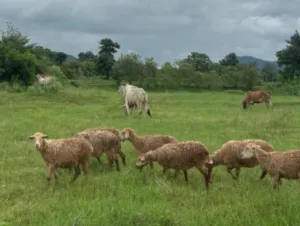
As the village is surrounded by forests, agricultural fields, ponds, and open grasslands, it provides a favourable habitat for a wide variety of animals, birds, insects, and other living organisms. common domestic animals found in the village include cows, buffaloes, goats, sheep, dogs, and cats. These animals are reared by villagers for milk production, agriculture, transportation, security, and as a source of income. Poultry such as chickens and ducks are also commonly raised for eggs and meat by most of the villagers. A variety of bird species are also observed in the village throughout the year. These include parrots, mynas, pigeons, sparrows, bulbuls, woodpeckers, owls, eagles, and cuckoos. The surrounding forests and nearby habitats are home to several wild animals, including wild boars, monkeys, and squirrels; occasionally, reptiles such as snakes and monitor lizards are also seen in the forested areas. Other than this, the village also supports a rich diversity of insects such as butterflies, honeybees, dragonflies, ants, beetles, grasshoppers, crickets, termites, mosquitoes, and fireflies. Several other creatures are commonly found in and around the village, including frogs, toads, fishes, earthworms, snails, and spiders.
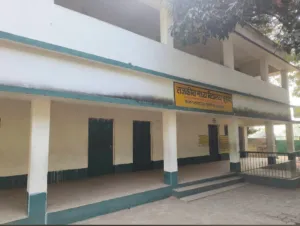
The educational infrastructure of the village consists of a Government Middle School and an Anganwadi Centre, which provide basic educational facilities and early childhood care to the children of the community. For secondary and higher secondary education, students generally attend Patamda High School and Jalla College; in addition, two English medium schools are located in the neighbouring villages Patamda and Jalla, which are almost 4km away. Furthermore, families with better financial resources often choose to send their children to Jamshedpur to pursue higher education and access improved educational opportunities.
Although educational facilities within the village are limited, the importance of education is widely recognised by the residents. Parents and guardians actively encourage their children to continue their studies beyond the primary level, reflecting the community’s growing awareness of the role of education in personal development and socio-economic progress.
Health Facilities
The village has limited healthcare infrastructure, as there is no Government Primary Health Centre or government hospital within its boundaries. However, the healthcare needs of the villagers are partially met by a private clinic that provides treatment for common illnesses and minor medical conditions. In addition, two local medical practitioners offer basic healthcare services and routine medical treatment to the residents.
For specialized treatment and emergency care villagers generally visit the Government Hospital at Patamda, located approximately 4 kilometres from the village. Another healthcare facility is situated at Macha, about 9 kilometres away, and also serves the surrounding rural population. In cases requiring specialized consultation, diagnostic services, or major medical treatment, patients are usually referred to hospitals in Jamshedpur, where better-equipped healthcare facilities are available. At present, the village has not reported any major or widespread health problems or disease outbreaks. Most residents generally enjoy good health, and common illnesses are effectively managed through the available local healthcare services and nearby medical facilities.
Although access to basic healthcare is available through local practitioners and nearby medical centres, the absence of a government healthcare institution within the village highlights the need for improved medical infrastructure to ensure timely and comprehensive healthcare services for all residents.
Road and infrastructure
The roads in the village are well constructed and well maintained, providing reliable connectivity throughout the year. The construction and improvement of these roads have been supported by government initiatives, particularly the Pradhan Mantri Gram Sadak Yojana (PMGSY), which aims to improve rural road infrastructure. As a result, various modes of transportation, including bicycles, motorcycles, auto-rickshaws, cars, trucks, and buses move smoothly through the village. The improved road network has enhanced access to nearby markets, educational institutions, healthcare facilities, and neighbouring towns, thereby contributing to the overall development of the village.
Most of the houses are newly constructed, and this change has been supported by the Pradhan Mantri Awas Yojana.
About the village’s past
~How the village got its name~
The history of a village reflects its origin, growth, traditions, and the experiences of the people who have lived there over generations. As a child of this village, I have always been curious about its history, particularly the origin of its name. Undertaking this project provided me with the opportunity to interact with village elders, collect oral narratives, and examine the historical and cultural background of the village.
I had an oral interview with Shri Robin Mahato, our village head (68). I asked him about the history of our village and how it got its name. According to him, the origin of the name Churda is closely associated with the traditional occupation of its inhabitants. He explained that, in earlier times, a majority of the villagers were engaged in the preparation of flattened rice(poha), commonly known as chura in Bengali. The process involved manually pounding paddy to produce flattened rice, which served as the main occupation and source of livelihood for many families. The villagers regularly transported and sold this product in nearby towns and urban markets. Over time, because the village became widely recognized for its large-scale production of chura, it is believed that the settlement gradually came to be known as Churda.
Whereas when I interviewed Shri Durgacharan Gorai, a senior villager (80), he shared a different explanation regarding the village’s name. He told me that the village used to occupy a leading or central position among the surrounding villages. Just as the head is considered the highest and most important part of the human body, the village was regarded as the “head” or foremost settlement in the locality. In the local language, the word chura refers to the topmost or highest point. Based on this understanding, the village gradually came to be referred to as Churda.
In the absence of written historical records, it is not possible to determine with certainty which explanation represents the true origin of the name Churda.
Both narratives are rooted in oral tradition and reflect different aspects of the village’s collective memory. While the first focuses on economic livelihood and trade, the second highlights social prestige and geographical prominence. Together, they demonstrate how local communities preserve and interpret their past through stories passed down from one generation to another.
In addition to investigating the origin of the village’s name, I asked them about the settlement history of the village, particularly when and by whom it was first established. One of the respondents, Shri Robin Mahato, was unable to provide information on this aspect. However, according to Shri Durga Charan Gorai, the village was established around the 1600s. He stated that the first settlers of the village belonged to the Bhumij community. Over time, other communities, including the Teli, Nai, and Kurmi communities, gradually migrated to and settled in the village, contributing to its social and cultural diversity.
The communities that settled in the village after them gradually integrated with the existing inhabitants through peaceful coexistence and regular social interaction. Over time, they established their own households, participated in agricultural activities, local trade, and community events, and contributed to the village’s economic and social development. Although each community retained its distinct customs and traditions, they developed harmonious relationships through mutual cooperation, participation in festivals, and shared responsibilities in village affairs.
~Environment and Education in the past~
During my field visit, I interviewed Mrs. Kalpana Gorai to understand the environmental and social conditions of the village during her childhood. According to her recollections, the village was once surrounded by dense forests that provided abundant vegetation, fuelwood, fodder, medicinal plants, and other forest resources essential for the daily lives and livelihoods of the villagers. The natural environment was comparatively richer and played a significant role in sustaining the local community.
She recalled that the village’s infrastructure was underdeveloped during that time. The roads were unpaved, consisting mainly of mud and stones, and were narrow, making transportation difficult. Motor vehicles were rarely seen, and most villagers used to travel on foot or by bicycle.
The settlement pattern of the village was also different from the present. There were relatively few houses, and most were traditional structures constructed from red mud, bamboo, and straw. These houses reflected the locally available building materials and the economic conditions of the villagers at that time.
Regarding education, she stated that the village had a primary school where children could receive basic education. However, educational opportunities beyond the primary level were limited. She recalled that many girls were not allowed to continue their studies after Class IV due to prevailing social customs and traditional beliefs. Early marriage was common, and girls were often married at a young age. She further observed that education was not considered a priority by many families, as livelihood responsibilities and social practices often took precedence over formal schooling.
In addition to interviewing village elders, I also discussed the history of the village with my family members and parents. During these conversations, my grandfather shared several memories from his childhood, providing valuable insights into the social and educational conditions of that period.
According to my grandfather, attending school during his childhood was a challenging experience. The village had only a primary school, and students from nearby areas also came there for their basic education. However, the school was near our house, so they didn’t have to walk much, but during the monsoon season, the roads often became muddy and difficult to use.
He recalled that the school building was simple, with limited classrooms and basic facilities. Teaching materials were scarce, and students often shared books and writing materials. Despite these limitations, the teachers were respected, and children attended school with enthusiasm. However, education was not considered essential by many families, and poverty, household responsibilities, and traditional social customs prevented several children from continuing their studies. Girls, in particular, were often withdrawn from school after completing primary education and were married at a young age.
My grandfather’s recollections reflect the educational realities of rural life during that period.
My analysis:
The village has undergone significant changes over the years. Improvements in infrastructure, housing, educational awareness, and social attitudes have contributed to the overall development of the village.
~Festivals and celebrations in the past~
During my field visit, I interviewed several elderly residents to understand the festivals and celebrations that were observed in the past. Their memories revealed that festivals were not merely religious occasions but an integral part of village life.
I asked them about the festivals in the past and what their current status is now.
Among them, Sapna Singh shared that the major festivals celebrated in the past included Tusu Parab and Makar Sankranti Karam Parab, Shiv Ratri, Durga Puja, Saraswati Puja, Holi, Diwali, and Gau Puja.
Tusu Parab was one of the most significant harvest festivals at that time. Young girls used to buy tusu idols a month ahead and used to beautifully decorate the Tusu idols and sang traditional Tusu folk songs throughout the festival. On the day of Makar Sankranti, the idols were taken in a procession and immersed in a nearby river or pond. Families prepared traditional dishes such as pitha, tilkut, chura (flattened rice), muri ladoo, and other homemade sweets, which were shared with relatives and neighbours.
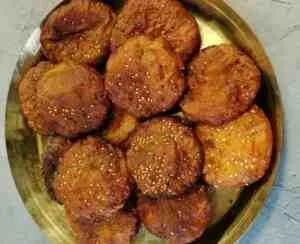
She even shared the recipe for Gur pitha, which begins by cooking grated coconut with melted jaggery and a small quantity of cardamom powder until a thick sweet filling is formed. Separately, rice flour is mixed with hot water and kneaded into a soft dough. Small portions of the dough are shaped into cups, filled with the coconut-jaggery mixture, and carefully sealed into crescent-shaped dumplings. The prepared pithas are then steamed or lightly roasted on a pan until fully cooked.
She shared that children used to be very excited to buy new clothes on the occasion of Makar Sankranti. Everyone, of all ages, used to wake up early in the morning to take a bath in a nearby river, and later on everyone used to wear new clothes. At breakfast, everyone in the family used to have the traditional dishes they prepared, and at lunch they made non-veg dishes. She stated that in the present scenario, Makar Sankranti continues to be celebrated with the same enthusiasm and community spirit as in the past. However, the traditional celebration of Tusu Parab has gradually declined over the years. While the festival is still observed by some families, the excitement and active participation that once characterized the celebration have noticeably diminished. Fewer people now sing traditional Tusu songs or take part in community gatherings and processions. The respondents attributed this change to modernization, changing lifestyles, migration of young people for education and employment, and the declining interest of the younger generation in traditional folk customs.
Another festival she talked about was Gau Puja which is celebrated after diwali reflected the villagers’ gratitude towards cattle, which were essential for agriculture. Cows and oxen were bathed, their horns were painted with natural colours, garlands were placed around their necks, and prayers were offered for their health and prosperity. Special food was prepared and offered to the animals, and people decorated their houses with traditional wall paintings and alpana designs made from rice paste and natural colours. This festival plays an equal role at present as well.
Another festival was Karama Parab, during which villagers, especially the Kuruma community, worshiped the Karam tree and prayed for prosperity, good harvests, and the well-being of their families. Traditional Karam songs and dances were performed throughout the night.
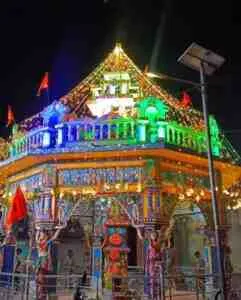
She continued her statement while describing Shiv Ratri; she said In the village, Maha Shivratri is celebrated with great faith and devotion. On this occasion, villagers visit the local Shiva temple to offer prayers to Lord Shiva. Devotees offer milk, water, bael (bel) leaves, flowers, fruits, and incense to the Shiva Linga while praying for peace, good health, prosperity, and the well-being of their families. Many devotees observe a day-long fast and participate in the evening puja and devotional singing (bhajans). According to her, Maha Shivratri has been celebrated in the village for generations and continues to be one of the important religious festivals that brings the community together.
With great excitement, she described Saraswati Puja, or Vasant Panchami. She shared that the festival has been celebrated with great enthusiasm for many years, particularly by students of the village. On the day of Saraswati Puja, villagers clean and decorate the place of worship with flowers, alpana, and colourful decorations. An idol of Goddess Saraswati is installed, and special prayers are offered by the priest and devotees. Students place their books, notebooks, and writing materials before the goddess, seeking her blessings for success in their education and future endeavours. Many families prepare traditional sweets and other festive dishes, which are distributed among relatives, neighbours, and devotees as prasad.
In earlier times, Saraswati Puja was celebrated with great enthusiasm in the village school. A small idol of Goddess Saraswati was handcrafted from locally available clay and mud by the students with the guidance of their teachers within the school premises. The preparation of the idol itself was a collective activity that encouraged teamwork and creativity among the students. On the day of the festival, prayers were offered, cultural programmes were organised, and prasad was distributed among students, teachers, and villagers.
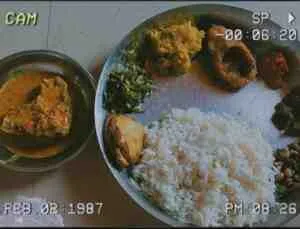
After the day, people of the village celebrate sosti pooja, where they cook 7-8 kinds of dishes, including rice and fish. They eat that meal after offering Sosti Mata.
And people call this meal “Panta bhat”. It has great significance among the villagers, especially within the Teli community.
During the interview, she stated that in earlier times the villagers celebrated Durga Puja in nearby villages, as there was no temple within the village itself. Women observed fasts on Maha Ashtami and Maha Navami as an expression of religious devotion. On Bijoya Dashami, people from the entire village, including children, women, and elders, visited one another’s homes to exchange greetings and seek blessings through the traditional custom of Bijoya Pranam. Families prepared a variety of traditional dishes on this occasion and shared them with relatives, neighbours, and guests, fostering a sense of unity, mutual respect, and community bonding. She stated that nothing has changed now; just the spark of excitement is now less among the children
She concluded her interview by describing the traditional celebration of Holi in the village. According to her, people celebrated the festival with great enthusiasm and collective participation, using natural colours prepared from locally available flowers such as Palash. Villagers visited one another’s homes, sang traditional songs, and celebrated together in a spirit of joy and harmony. However, she remarked with concern that many of these traditional customs have gradually disappeared, and the manner in which Holi was once celebrated has now almost vanished from the village.
My observation and analysis
Tusu Parab and Holi used to hold great cultural and social significance in the village. However, the tradition has now almost disappeared, possibly due to the increasing use of mobile phones and the growing academic pressure on children. Nevertheless, other traditional and religious practices continue to be observed in much the same way as before. Festivals like Bijoya Dashami and Holi also served as an important occasion for strengthening social bonds and promoting community unity among the villagers.
Later, I discussed the information with other residents and members of my family. During that conversation, my uncle, Shri Shiv Prasad Gorai, shared valuable information about two of the village’s most significant traditional festivals Buru Parab and Rohin Mela. According to him, Buru Parab is celebrated during the month of July and is one of the most important religious festivals of the village. The festival is dedicated to the worship of the village’s living deity, locally known as Sindra Path Thakur. Villagers gather at the sacred place of worship to offer prayers and seek blessings for the well-being of the community, a good harvest, protection from natural calamities, and peace and prosperity.
He also shared a remarkable story associated with the worship of the village deity, Sindra Path Thakur.
Ancient story associated with the living village deity
According to him, there was a time when villagers witnessed stones mysteriously falling from an unknown source for nearly ten to fifteen days. Despite the unusual occurrence, no one was injured. The incident left the villagers puzzled, and they were unable to determine its cause.
In search of an explanation, the villagers approached the village priest. He observed a day-long fast and prayed for divine guidance, believing that the deity would reveal the reason through a dream. The priest later informed the villagers that he had received a vision in which he was told that the ancestors of the village had failed to fulfil a sacred vow (mannat) made to the village deity.
Following this revelation, the villagers collectively decided to fulfil the unfulfilled vow. They gathered at Dungri, the highest hill in the village, and established a shrine dedicated to Sindra Path Thakur; after the deity was installed and regular worship began, the mysterious stone-falling ceased. This event further strengthened the villagers’ faith in the deity and marked the beginning of the annual worship of Sindra Path Thakur. Since then, people from all communities of the village have come together every year to participate in the festival and offer prayers, making it an important symbol of the village’s unity, faith, and cultural heritage.
My uncle further explained the significance of Rohin Parab, which is celebrated in the month of March, shortly after Maha Shivaratri. The festival is observed collectively by people from all communities in the village, reflecting a strong sense of social unity and cultural harmony. On this occasion, devotees worship Lord Shiva throughout both the day and the night.
During the daytime, the youth of the village begin a religious procession known as “Paat Bhogta.” The procession is an important part of the celebration, with participants taking part in various traditional rituals and devotional activities dedicated to Lord Shiva.
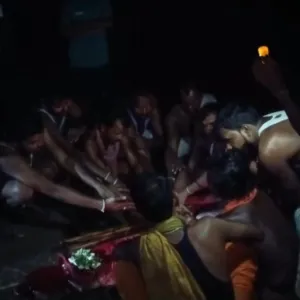
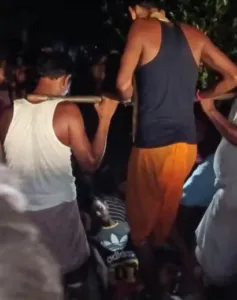
At night, the priest of the local Shiva temple takes a ritual bath in the nearby river before returning to the temple. As part of the ritual, the young men who participated in the daytime procession, along with individuals who have made a mannat (religious vow), lie down on the ground to form a human pathway from the riverbank to the temple. The priest then walks over this symbolic path until he reaches the temple, where he performs worship and other religious rituals throughout the night.
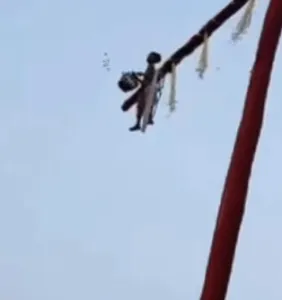
On the following day, a village fair known as Rohin Mela is organized. One of the most distinctive rituals performed during the mela is called Jhangal. In this ritual, individuals from the Nai community who have undertaken a religious vow have the skin of their backs ritually pierced and are suspended from a tall wooden pole. The pole is then rotated by other participants while the suspended devotee performs the ritual as an act of faith and devotion to Lord Shiva. According to local belief, this ritual is performed in fulfillment of vows and as an expression of gratitude and religious commitment.
My observation and analysis
It can be concluded that these festivals continue to play a vital role in preserving the cultural identity and social cohesion of the village. Despite the influence of modernization, the villagers actively participate in these celebrations with great devotion and enthusiasm. The festivals not only strengthen religious beliefs but also foster unity, cooperation, and a sense of belonging among the members of the community. Therefore, these traditions remain an integral part of the village’s cultural heritage and continue to be passed down from one generation to the next.
~Social relations between villagers at that time~
I can also observe through my field notes that the social relations among the villagers were quite good. To know more about it, I interviewed Shri Durgacharan Gorai, Shri Purnochondro Gorai, and Rohin Mahato
According to the interviewees, social relationships among the villagers became stronger over time. People supported one another during times of difficulty and shared both moments of happiness and sorrow, reflecting a strong sense of community and mutual cooperation. In the evenings, elderly villagers gathered at the village Hari Mandir to read and discuss religious texts. Men and women also commonly assembled at one another’s houses to converse about their daily work, family matters, and village life, strengthening social bonds.
Many of these traditions continue to exist today. However, one significant change is that children, who once spent their leisure time playing a variety of traditional outdoor games, rarely do so now. This shift is largely attributed to the increasing use of mobile phones and the growing academic pressure on children, which has reduced their participation in traditional forms of recreation.
I questioned them about what people did during any natural disaster at that time
On which, my uncle Shri Shiv Parshad Gorai and Shri Robin Mahto stated that the village is not located near any major river, which significantly reduced the risk of flooding..However, during periods of heavy rainfall, the main problem was the blockage of roads, as they were narrow and constructed mainly of mud. During such times, villagers had to wait until the roads became passable before transportation could resume. Apart from this, the community effectively managed its water resources by constructing ponds to collect and store rainwater. This traditional practice ensured a sufficient supply of water during the summer months and demonstrated the villagers’ ability to adapt to seasonal environmental conditions.
Upon asking how disputes were resolved in the past, Shri Purnochondro Gorai explained that conflicts were rare because the villagers lived in harmony and maintained strong social relationships. However, whenever disagreements did arise, they were settled through the intervention of the village head and respected elders. Their decisions were generally accepted by all parties, ensuring that disputes were resolved peacefully without the need for formal legal intervention.
My analysis and observation
According to the interviewees, the lack of well-constructed roads was one of the major challenges faced by the villagers in the past. With the development of road infrastructure in recent years, this problem has been largely resolved, significantly improving transportation and connectivity. Despite these physical and developmental changes, the strong bond among the different communities of the village has remained intact. The spirit of unity, mutual respect, and cooperation continues to characterize village life, and it is hoped that this harmony will be preserved for future generations.
Agriculture and Food Habits
Eager to learn more about the village’s traditional food habits and agricultural practices, I interviewed Shri Robin Mahato and Shri Shiv Prasad Gorai.
They shared that in the past, the major crops cultivated by most villagers were millets, ragi (finger millet), maize (corn), and kodo millet. At that time, the majority of households were not financially well-off and could cultivate only a limited variety of crops. As a result, they relied heavily on inexpensive and locally available grains such as maize, ragi, and kodo millet.
According to the respondents, the staple diet mainly consisted of simple dishes prepared from maize, ragi, and kodo millet. These grains were usually boiled and consumed with salt or sugar. Another common food item was chura (flattened rice), which was widely eaten due to its affordability and availability.
However, the food habits of the villagers gradually changed over time.As their economic condition improved, people began cultivating a wider variety of crops, including vegetables and other cash crops. Consequently, the cultivation and consumption of traditional millets declined.
The respondents also explained that these traditional foods were consumed largely out of necessity rather than preference, as there were limited livelihood opportunities and no significant government welfare schemes during that period. In contrast, today, government support programmes such as the Public Distribution System (ration scheme) provide essential food grains, and the overall financial condition of most households has improved, leading to more diverse dietary choices.
My analysis
The shift in dietary patterns reflects the socio-economic transformation of the village, where improved livelihoods, agricultural diversification, and government welfare schemes have significantly influenced both food security and nutritional practices.
Culture
The cultural life of a village reflects its history, traditions, beliefs, and collective identity.
To gather more information, I interviewed a few villagers about it. Among them, Shri Durgacharan Gorai and Shri Shiv Parshad Gorai shared the most. According to them, the cultural traditions of the village have remained largely unchanged over the years.
The most significant cultural and religious event celebrated annually is the Hari Kirtan, which is held in the month of March. This festival is eagerly awaited by all villagers, regardless of age, and serves as an occasion that brings the entire community together.
In preparation for the festival, people from all communities collectively participate in cleaning the village. The Hari Mandir and its surroundings are beautifully decorated, giving the village a festive appearance. The Hari Kirtan continues uninterrupted for three consecutive days, a practice locally referred to as “Akhanda,” meaning continuous or unbroken. During these three days, devotees observe a strictly vegetarian diet as part of their religious observance.
On the fourth day, villagers celebrate by playing with colours in a joyful atmosphere, symbolizing unity and happiness. In the evening, Mahaprasad is distributed among all the devotees. Following this, the community traditionally consumes fish in a ritual locally known as “Gangafal”, marking the end of the period of vegetarian observance. The celebrations conclude with another religious ritual, after which Prasad is again distributed among the villagers.
My analysis and observation
The importance and excitement about Hari Kirtan is still the same as it was earlier. This festival not only reflects the religious devotion of the villagers but also strengthens social unity, cooperation, and the shared cultural identity of the community.
I questioned them about the folk songs, dances, and art forms that have disappeared from the village.
During the interview, Shri Shiv Prasad Gorai recalled that traditional performing arts were an integral part of the village’s cultural life in the past. He stated that “Chhau dance” was one of the most popular forms of folk performance, especially among children and young people. According to him, children used to wake up early in the morning with great enthusiasm to watch the performances. However, he observed that compared to the past, the younger generation today shows relatively less interest in attending such traditional cultural events.
He also spoke about “Jhatra,” another popular form of folk theatre that was usually performed late at night. Jatra involved the dramatic enactment of mythological, historical, or social stories and served as an important source of entertainment as well as cultural education for the villagers.
Sharing a personal memory from his youth, he recalled his active participation in Jatra performances along with his friends and other villagers. He explained that the performers would begin rehearsals nearly three to four months in advance to ensure a successful presentation. According to him, these performances required dedication, teamwork, and active participation from the community, reflecting the strong cultural spirit and collective enthusiasm that characterized village life during that period.
Later, I interviewed the villagers about the games that were commonly played in the village during their childhood.
They shared that when they were children, they used to spend most of their free time playing traditional outdoor games such as Kabaddi, Gilli-Danda, Danguli, Kanamachhi (blindfold game), Lukochuri (hide-and-seek), marbles, and football.
Unlike today, children rarely stayed indoors, as they preferred spending their evenings playing together in open fields and village pathways. The villagers recalled these games with great nostalgia and mentioned that they played an important role in strengthening friendships and social bonds within the community. However, they also observed that many of these traditional games have gradually declined due to the increasing use of mobile phones, television, and changing lifestyles among the younger generation.
My father, Shri Sukh Dev Gorai, also shared another important memory from his childhood. He recalled that only a few households in the village owned a television or a telephone. As a result, people from across the village would gather at those houses to watch television programmes together or to make phone calls whenever necessary. These shared experiences not only entertained the villagers but also strengthened the sense of unity, cooperation, and social bonding within the community. However, today almost every household owns its own television and mobile phones. Despite this change in access to technology, the strong sense of unity and social bonding among the villagers has remained intact. They continue to maintain close relationships and actively participate in each other’s social and cultural activities.
My observation and analysis
The village has experienced significant social, cultural, and infrastructural changes over time. Despite these transformations, one of the most significant observations is that the village has retained its strong sense of community
Overall, this highlights the balance between tradition and modernity. While development has improved the quality of life, the preservation of cultural heritage and community values continues to be a defining characteristic of the village.
However, the traditional games that were once an integral part of children’s daily lives are gradually disappearing. The increasing use of mobile phones, digital entertainment, and growing academic pressure have significantly reduced children’s participation in outdoor games, putting this aspect of the village’s cultural heritage at risk.
Village Problems
Based on observations in field visits, I can conclude that the major challenges faced by the village are related to education, environmental changes, livelihood and employment, and the migration of labourers. Although the village has witnessed significant development in infrastructure and basic facilities over the years, these issues continue to affect its overall socio-economic progress.
To know more deeply about the problems, I interviewed a few villagers
I first questioned them about environmental changes, including whether there had been any changes in soil fertility, the taste and quality of water, and whether they had observed any visible changes in weather patterns.
A few villagers, mainly Shri Shiv Parshad Gorai, Shri Shrad Gorai, and Rohin Mahato, stated that they had observed noticeable changes over the years. They reported that soil fertility has gradually declined, resulting in lower agricultural productivity and a greater dependence on chemical fertilizers. Also mentioned that the taste and quality of drinking water have changed compared to the past, which they attributed to increasing groundwater use and environmental changes. In addition, they observed significant changes in weather patterns, such as hotter summers, irregular rainfall, delayed monsoons, and shorter winters. According to them, these environmental changes have affected agriculture, water availability, and their overall livelihood.
According to my observation, although agriculture is the primary occupation in the village, the community depends on a diverse range of livelihoods. Besides farming, people are employed as teachers, doctors, ration dealers, shopkeepers, and migrant labourers. This diversity in occupations reflects the changing economic structure of the village and provides households with alternative sources of income.
I interviewed them about their livelihoods and whether their income is sufficient to sustain their families.
I interviewed Smt. Dipali Mandal, who has been working as a ration dealer in the village for the past ten years. She stated that the occupation has provided her with a stable livelihood and has enabled her to support her family’s daily expenses. According to her, the income is generally sufficient to sustain the family, and she feels proud to contribute to the welfare of the villagers by ensuring the timely distribution of essential food grains. She expressed satisfaction with her work and considered it both a source of income and a service to the community. She also mentioned that many eligible women like her receive financial assistance every month under Maiya Samman Yojana.
I asked her if she wanted any improvement in her work. She suggested that the government should provide better remuneration for ration dealers, simplify record-keeping procedures, and ensure the timely supply of food grains. She also felt that improving storage facilities and reducing administrative delays would help them perform their duties more efficiently and serve the villagers better.
I also interviewed Shri Shiv Parshad Gorai, who is a veterinary doctor and has been serving the village community for the past 12 years. He shared his experiences about his profession and the condition of livestock in the village. I asked him whether his income is sufficient to sustain his family. He replied that it is enough to meet his family’s needs. He not only provides veterinary treatment within the village but also serves several nearby villages, as there are no other veterinary doctors available in the surrounding areas. Due to this, many farmers and other people depend on him for the treatment and care of their livestock. His work across these villages enables him to earn a stable income, which is sufficient to support his household.
When asked about the challenges he faces as a veterinary doctor, he explained that one of the major difficulties is responding to emergency cases at any time of the day or night. Since he serves not only his own village but also nearby villages, he often has to travel long distances. He also mentioned that some livestock owners seek treatment only after the animal’s condition has become serious, making recovery more difficult. Despite these challenges, he remains committed to providing timely treatment and considers helping farmers protect their livestock a rewarding part of his profession.
I interviewed Shri Milan Karmakar, a migrant worker, to understand his livelihood and whether his income is sufficient to sustain his family. He shared that he mainly travels to Jamshedpur to work at Tata Steel whenever work is available. During periods when he is not employed there, he works as a civil construction worker in the local area. According to him, his earnings are generally enough to meet the basic needs of his family.
However, he pointed out that the major challenge he faces is the lack of permanent employment. His work is irregular, and whenever local job opportunities become scarce, he is compelled to migrate to other cities in search of work. This frequent movement creates uncertainty in his income and affects his family’s financial security.
My Observation and Analysis
This interview reflects that migration in the village is largely driven by the absence of stable and permanent employment opportunities. Although local work is available at times, it is often temporary and insufficient to provide year-round income. As a result, many workers are forced to migrate to nearby cities to ensure a steady livelihood for their families. Improving local employment opportunities could reduce migration and enhance the economic stability of rural households.
However, I observed that a primary school has existed in the village since its early years, providing basic education to the children.
I interviewed two local teachers, Shri Shuk Dev Gorai and Shri Dhiraj Pramanik, to understand the present condition of education in the village schools. Both teachers stated that the overall education system has improved significantly compared to the past. They observed that schools now have better infrastructure, improved teaching materials, and greater awareness among parents regarding the importance of education.
However, they also pointed out that several challenges still exist. According to them, many students are increasingly distracted by mobile phones and social media, which negatively affects their concentration and academic performance. They also mentioned that regular attendance and active participation in classroom learning remain concerns for some students.
Observation and Analysis:
The interviews indicate that although educational facilities and access to schooling have improved over the years, maintaining students’ interest and focus on studies has become a new challenge. This suggests that improving the quality of education today requires not only better infrastructure but also greater parental involvement, effective teaching methods, and awareness about the responsible use of digital technology.
When I asked Shri Shiv Parshad Gorai, Shri Sukh Dev Gorai, Shri Milan Karmakar, Smt. Dipali Mandal, and Shri Dhiraj Pramanik about the root of migration in our village. The common answer I got is the lack of stable and permanent employment opportunities within the village. Although agriculture remains the main occupation, it does not provide sufficient income throughout the year, and local jobs are often temporary or seasonal. As a result, many people migrate to nearby cities such as Jamshedpur and, at times, to other states in search of better-paying and more secure employment. Economic necessity, irregular income, and the desire to provide a better standard of living for their families are the major factors driving migration from the village.
However, Shri Shuk Dev Gorai stated that;
To reduce migration from the village, more stable and permanent employment opportunities should be created through the establishment of small-scale industries, skill development and vocational training programmes, and the promotion of local entrepreneurship. Government employment schemes should be implemented effectively, and support should be provided to improve agriculture through modern farming techniques and irrigation facilities. Encouraging self-employment and creating better livelihood opportunities within the village can help reduce the need for migration and improve the economic well-being of rural families.
The village’s future and preservation
Documenting the history and culture of a village is important because it preserves the memories, traditions, and identity of the community for future generations. The field study revealed that Churda village has made considerable progress in terms of infrastructure, education, communication, and access to basic amenities. However, several challenges continue to affect the village’s sustainable development. Traditional art forms such as Chau dance and Jathra, along with indigenous games, are gradually disappearing as younger generations become more engaged with digital technology and academic responsibilities. Preserving these cultural practices is essential for maintaining the village’s unique identity.
Although educational opportunities have improved, many students still have to travel to nearby towns for higher secondary and college education. Creating better educational facilities and promoting awareness about the importance of education can further improve the future prospects of the village.
Another major concern is the migration of labour. Due to limited local employment opportunities and irregular agricultural income, many villagers, especially young people, migrate to nearby cities or other states in search of better-paying jobs. Developing small-scale industries, skill development programs, and encouraging local entrepreneurship could help create employment within the village and reduce migration.
Based on my observations, I believe the future of Churda village is promising. With continued development in infrastructure, education, healthcare, and employment opportunities, the quality of life of the villagers will improve further. At the same time, preserving the village’s cultural heritage should remain a priority.
To solve the village’s problem, according to me, a practical initiative for preserving the cultural heritage of Churda village would be to organize an annual Village Heritage Day in collaboration with the Gram Panchayat, local schools, and youth clubs. Elderly villagers could share stories about the village’s history and traditions, while traditional games, Chau dance, Jathra, folk songs, local crafts, and traditional foods could be showcased. Alongside these cultural activities, exhibitions on environmental conservation, career guidance, and skill development workshops could also be organized to raise awareness among young people. Such a programme would require limited resources, encourage community participation, preserve the village’s cultural heritage, promote environmental responsibility, and inspire the younger generation to contribute to the village’s future development.
Conclusion
The study of Churda village provided valuable insights into its history, culture, traditions, and the changes it has experienced over time. The interviews with elderly villagers revealed that the village has evolved significantly in terms of education, transportation, communication, healthcare, and living standards. At the same time, the strong sense of unity, cooperation, and mutual respect among the villagers has remained unchanged.
While modernization has improved the quality of life, it has also led to the gradual decline of some traditional practices, including folk games, Tusu Parab celebrations, Chau dance, and Jathra. These traditions are an important part of the village’s cultural identity and should be preserved through community efforts and by encouraging the younger generation to participate in them.
Overall, Churda village reflects a successful balance between development and tradition. With continued progress in infrastructure and education, along with conscious efforts to preserve its cultural heritage, the village has the potential to become a model of sustainable rural development. This field study has deepened my understanding of rural life and highlighted the importance of documenting and preserving local history, culture, and community values for future generations.