
Editorial Note:
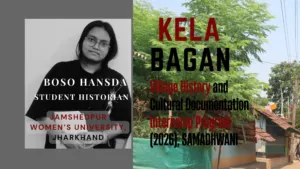
Aditi Sharma is a student of English who joined Samadhwani’s Village History and Cultural Documentation Internship Programme in 2026. For her project, she chose the Sohrai painting tradition of Kinudih, a Santhal village near Karandih in Potka Block, East Singhbhum district, Jharkhand, and placed her topic under Crafts and Material Culture. The work rests on fieldwork. She spoke with villagers, women artists, the Deputy Mukhiya, the artist and trainer Sunaram Soren, and Shweta Singh, founder of Abiraa Arts, and recorded these conversations in audio and video. She approached the work with patience and care. When one young artist chose not to be interviewed, she did not press her, and she recorded this in her thesis as part of what fieldwork teaches. She writes that the internship improved her communication and listening skills, and that it changed how she understood a tradition she had earlier thought of simply as festival wall painting.

Her thesis, Cultural Documentation of Kinudih Village (Sohrai Painting Tradition), is published here as part of Samadhwani’s effort to document village histories as a record. What the work demonstrates, above all, is the value of asking young people to look closely at a living tradition. Sohrai has been passed on by watching rather than by writing, and very little of it has been set down. Documentation done with care, and with respect for those who speak and those who stay silent, does not turn a tradition into a museum piece. It helps a community see its own inheritance clearly, and gives the next generation something to build on. – Swayamprava Parhi
Cultural Documentation of Kinudih Village (Sohrai Painting Tradition)
INTRODUCTION
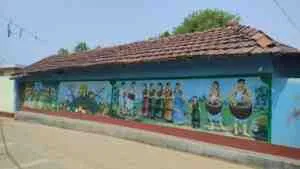
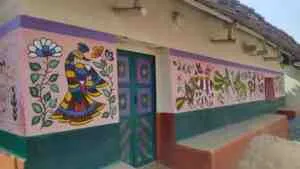
Culture is one of the most valuable aspects of human society, as it reflects the identity, traditions, beliefs, and way of life of a community. Every region has its own unique cultural practices that have been preserved and passed down from one generation to another. India is well known for its rich cultural diversity, where different states and communities possess distinct forms of art, music, dance, crafts, festivals, and rituals. Among these cultural treasures, the tribal art traditions of Jharkhand hold a special place because they represent a close relationship between people, nature, and their ancestral heritage. Documenting such traditions is important because it helps preserve cultural knowledge for future generations and creates awareness about the significance of indigenous communities and their artistic expressions.
For this Cultural Documentation Project, I selected Sohrai Painting, a traditional tribal mural art of Jharkhand, with a particular focus on Kinudih Village in East Singhbhum district. The topic falls under the category of Crafts and Material Culture because Sohrai Painting is not merely a decorative artwork but an important cultural practice that represents the beliefs, traditions, lifestyle, and creativity of the tribal communities. This study aims to understand the history, cultural significance, artistic techniques, present condition, challenges, and future possibilities of Sohrai Painting through direct interaction with artists, villagers, trainers, and organizations working for its preservation.
Sohrai Painting is one of the oldest surviving tribal art forms of India. It is traditionally associated with the Sohrai Festival, which is celebrated after the harvest season and around the time of Diwali by many tribal communities, particularly the Santhal, Munda, Ho, Oraon, and Kurmi communities of Jharkhand. The festival is dedicated to expressing gratitude towards nature, domestic animals, agricultural prosperity, and the Earth, all of which play an essential role in the lives of tribal people. During this festival, women clean and decorate the walls of their houses with beautiful paintings made from natural colours prepared from different types of soil and clay.
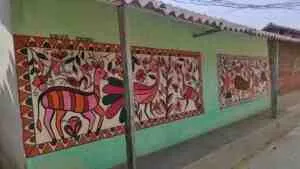
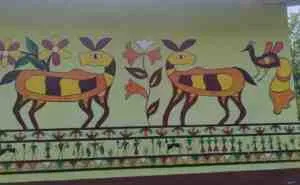
The paintings usually depict animals such as cows, bulls, elephants, deer, peacocks, birds, and fish, along with trees, flowers, leaves, mountains, and geometric patterns. These motifs symbolize fertility, harmony, prosperity, nature, and the deep relationship between humans and the environment.
The exact historical origin of Sohrai Painting is difficult to determine because it has been preserved mainly through oral tradition rather than written records. During the field interviews, senior artist Sunaram Soren explained that the art has been practised for generations and is believed to have originated from the early tribal communities who lived close to forests and depended upon hunting before the development of settled agriculture.
According to the oral tradition shared by him, hunters resting inside caves used stones to draw figures of animals on cave walls, and gradually these drawings became part of the decoration of village houses during festivals. Although this explanation is based on community memory rather than historical documentation, it reflects how tribal people understand the origin of their artistic tradition and its connection with their ancestors.
Traditionally, Sohrai Painting was created only on mud walls using natural colours obtained from locally available materials. Red, yellow, white, black, and brown colours were prepared from different kinds of soil and clay collected from nearby areas. The walls were first plastered with mud and cow dung to create a smooth surface before the paintings were made using fingers, bamboo sticks, twigs, or simple handmade brushes. The use of natural colours reflects the environmentally sustainable lifestyle of tribal communities, where art and nature are closely interconnected. Today, while many artists continue to respect these traditional methods, they also use acrylic colours, canvas, cloth, wood, pottery, and other modern materials to create artworks for exhibitions and commercial purposes.
The geographical setting of Sohrai Painting is closely related to the natural landscape of Jharkhand. Jharkhand is located in eastern India and is known for its forests, hills, rivers, mineral resources, and rich tribal population. A significant proportion of the state’s population belongs to Scheduled Tribes, including the Santhal, Munda, Ho, Oraon, and Bhumij communities. Their lives are deeply connected with forests, agriculture, livestock, and seasonal festivals, which are reflected in their art and cultural practices.
The paintings themselves often portray local wildlife, agricultural activities, and scenes from everyday village life, making them a visual representation of the surrounding environment.
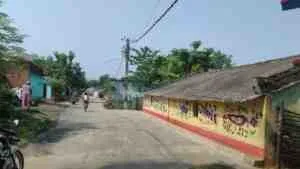
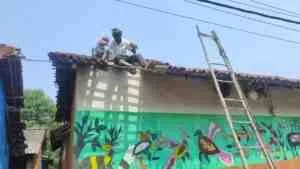
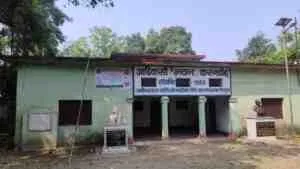
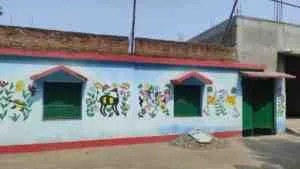
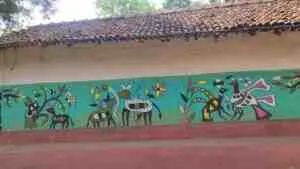
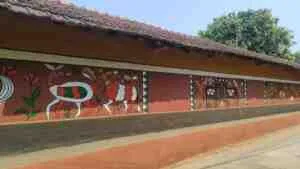
The present study was conducted in Kinudi Village, located in East Singhbhum district of Jharkhand. The village is predominantly inhabited by members of the Santhal tribal community and has become well known for its vibrant Sohrai wall paintings. The houses in the village display colourful murals that immediately reflect the artistic identity of the community.
During the field visit, it was observed that the walls of many houses had been decorated with traditional motifs, creating a unique cultural landscape. The village has gradually gained recognition because of the efforts of local artists and organizations working towards preserving this traditional art form. Visitors, researchers, students, journalists, and even international tourists have visited the village to appreciate its artistic heritage.
Chapter 1 – Village History and Cultural Background
1.1 Introduction
The study of a village’s history and cultural background is essential for understanding its traditions, social life, and artistic heritage. Every traditional art form develops within a specific cultural and geographical environment. Therefore, before studying Sohrai Painting, it is important to understand the history, people, lifestyle, and cultural identity of Kinudih Village, where this documentation was carried out. The village is not only known for its tribal population but has also emerged as an important centre for preserving and promoting the traditional Sohrai art of Jharkhand.
1.2 Geographical Location
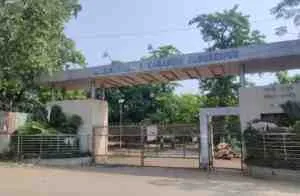
Kinudih is a tribal-dominated village situated near Karandih on the outskirts of Jamshedpur in the East Singhbhum district of Jharkhand. Administratively, it falls under the Potka Community Development (CD) Block. The village is located only a few kilometres from Tatanagar Junction Railway Station, making it easily accessible to visitors, researchers, students, and tourists.
Although it is located close to the industrial city of Jamshedpur, Kinudih has preserved its traditional tribal lifestyle. The village is surrounded by natural landscapes, agricultural fields, and greenery, which strongly influence the daily life and artistic expressions of the local people. The natural environment is reflected in the motifs of Sohrai Painting, where animals, birds, trees, flowers, and agricultural life are commonly represented.
1.3 Historical Background of Kinudih Village
Kinudih is one of the oldest tribal settlements in the region. During my fieldwork, I interacted with Mr. Chandrayi Hembrom, an elderly resident of the village, who shared valuable information about its history. According to him, the village has existed since the British period and has been inhabited by tribal families for many generations. He explained that the ancestors of the present residents lived here long before modern development reached the area.He stated that in earlier times the village had very few houses and a small population. Much of the surrounding area consisted of open land and forests. Agriculture was the primary occupation, and families depended entirely on farming and natural resources for their livelihood. Over the years, as new generations were born, the village gradually expanded while maintaining its traditional customs and community life. Mr. Hembrom explained that the traditions, occupations, and cultural practices of the village have been passed down from generation to generation. Farming, festivals, tribal customs, and artistic traditions continue to remain an important part of the village’s identity even today.
1.4 Demographic Profile
Kinudih is a medium-sized rural settlement with a predominantly tribal population. The village is known for its close-knit community where people live together with strong social and cultural relationships.
The majority of the population belongs to the Santhal tribe, while families from other tribal communities also reside in the village. Common tribal surnames found in the village include:
Soren, Murmu, Marandi
The social life of the village is based on cooperation, mutual respect, and community participation. Festivals, cultural programmes, agricultural activities, and village celebrations are generally organised collectively.
In recent years, literacy has improved considerably due to educational awareness, government initiatives, and skill-development programmes conducted by various organisations. Women have particularly benefited from vocational training related to traditional arts and handicrafts.
1.5 Language Spoken
Language plays an important role in preserving cultural identity. The people of Kinudih mainly speak Santhali, which is their mother tongue and is used in daily communication within the community.
Besides Santhali, people are also familiar with several regional languages due to the village’s proximity to Jamshedpur. The commonly spoken languages include:
Santhali, Hindi, Mundari, Ho
Many younger residents are fluent in Hindi because of education and interaction with nearby urban areas. Bengali and Odia are also understood by some villagers because of the geographical closeness of Jharkhand to West Bengal and Odisha.
1.6 Major Communities
Kinudih is primarily a Santhal tribal village. The Santhal community has preserved its traditional customs, festivals, songs, dances, agricultural practices, and artistic heritage for generations.
Besides the Santhal community, a few families belonging to other Scheduled Tribes and Scheduled Castes also live in the village. Despite belonging to different communities, the villagers share strong social harmony and actively participate in each other’s cultural events and village activities.
The tribal identity of Kinudih is reflected not only in its festivals and rituals but also in its traditional houses, wall paintings, folk songs, and close relationship with nature.
1.7 Occupation and Livelihood
Agriculture remains the primary occupation of most households in Kinudih. During the monsoon season, villagers cultivate crops such as rice, vegetables, and other seasonal produce. Farming has been the backbone of the village economy for generations.
Apart from agriculture, traditional art has become an important source of livelihood in recent years. Many women and young artists prepare Sohrai paintings.
Because Kinudih is located close to the industrial city of Jamshedpur, many villagers also work as daily wage labourers, construction workers, factory employees, or in small businesses nearby.
Thus, the village economy is supported by a combination of agriculture, traditional art, handicrafts, and industrial employment.
1.8 Cultural Traditions
The cultural life of Kinudih revolves around tribal traditions, festivals, agriculture, and community participation. Festivals are celebrated with great enthusiasm and involve music, dance, rituals, and artistic decoration.
Among the most significant festivals is the Sohrai Festival, celebrated after the harvest season around the time of Diwali. The festival is dedicated to expressing gratitude towards cattle, nature, agricultural prosperity, and the environment.
During this festival, women decorate the walls of their homes with colourful Sohrai paintings using traditional motifs.
Researcher’s Analysis:
During my visit to Kinudih village, I understood that the village is not only known for its Sohrai paintings but also for its strong cultural roots. The people are still connected to their traditions, language, and community life. Even though modern development has reached the village, they continue to preserve their identity. I also noticed that much of the village’s history is shared through elders rather than written records, which makes oral tradition very important in preserving their heritage.
During my field visit, I understood that Kinudih is not just an ordinary village but a place where people have lived in close connection with nature for generations. From the interview with Chandrayi Hembrom, I learned that the village has existed since the time of their ancestors and that farming has been the main occupation from one generation to another. This shows that the people have always depended on their land for their livelihood. I also noticed that while the older generation remembers the village as a simple place with fewer houses and people, the younger generation feels proud because Kinudih is now known for Sohrai painting. Sohrai painting has given the village a new identity and attracted researchers, tourists, and students. In my opinion, the village has successfully preserved its traditions while also becoming recognized outside the local community.
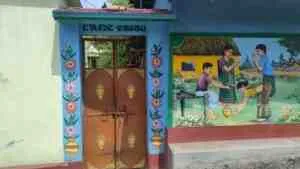
Chapter 2: Sohrai Painting Tradition: Origins and Cultural Significance
2.1 Introduction
“Walls that sing of harvest, herds and hidden forests.” This phrase beautifully describes the spirit of Sohrai painting, one of the oldest tribal art traditions of Jharkhand. Often referred to as Jharkhand’s living art form, Sohrai painting is not merely a decorative practice but a visual expression of the tribal community’s faith, agricultural life, environmental values and cultural identity.
Every year, soon after Diwali, during the month of November, tribal families celebrate the Sohrai Festival, the harvest festival of Jharkhand. This festival marks the successful completion of the agricultural season and is observed to express gratitude to nature, cattle and ancestral spirits for providing food, prosperity and protection. Before the festival begins, families clean and repair their mud houses with fresh clay and cow-dung plaster. The freshly prepared walls become blank canvases where traditional Sohrai paintings are created, transforming ordinary homes into sacred spaces filled with stories, beliefs and symbols.
Unlike many modern art forms, Sohrai painting is deeply connected with everyday village life. It reflects the harmonious relationship between human beings, animals, forests and the natural environment. Every motif painted on the walls carries cultural meaning and represents the tribal philosophy of living in balance with nature.
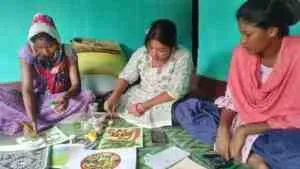
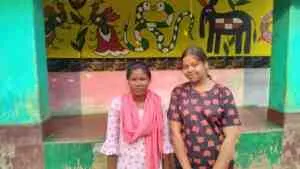
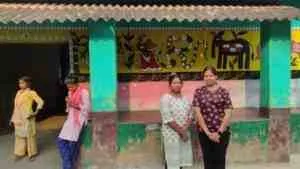
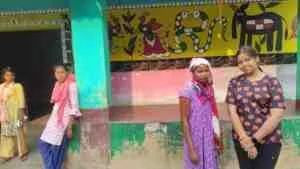
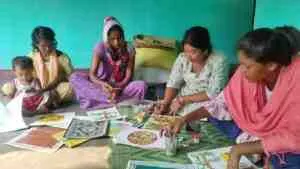
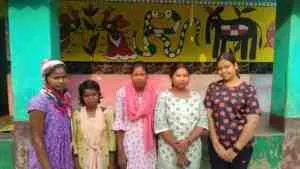
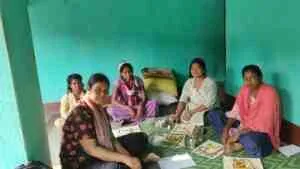
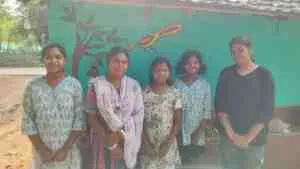
2.2 Historical Origin of Sohrai Painting
The exact historical origin of Sohrai painting is not clearly documented because it is an ancient folk tradition that has been preserved through oral history rather than written records. During my interview, Mr. Sunaram Soren, a senior Sohrai artist and trainer, explained that nobody can accurately say when Sohrai painting first began because it has existed for many generations.
According to the traditional belief shared by him, early tribal communities depended mainly on hunting before agriculture became common. While resting inside caves after hunting, they drew animals on cave walls using stones. Gradually, these drawings became a part of their culture. Later, when people started living in villages and celebrating the Sohrai festival, they decorated the walls of their houses with similar paintings. Over time, this artistic practice became known as Sohrai painting because it was created during the Sohrai festival.
Mr. Sunaram Soren also explained that after the rainy season, villagers repaired their mud houses with fresh clay before the festival. Once the walls were prepared, they decorated them with paintings made from earth colours. Thus, the painting tradition became closely associated with the harvest festival and the worship of cattle.
2.3 Sohrai Festival and Its Cultural Importance
Sohrai painting is inseparable from the Sohrai Festival, one of the most significant festivals celebrated by the tribal communities of Jharkhand. The festival is observed after the harvest season as an expression of gratitude towards nature, cattle, and ancestral spirits for ensuring prosperity and abundance.
The word “Sohrai” is believed to have originated from the word “Saur,” meaning cattle. Cattle hold immense importance in tribal life because they are essential for agriculture and livelihood. During the festival, oxen and cows are bathed, decorated with garlands, turmeric, and vermilion, and worshipped as sacred providers of food and prosperity.
While the men of the family take care of the cattle and perform rituals related to animal worship, the women honour the same beliefs through painting. Women belonging to the Santhal, Munda, Oraon and Prajapati communities decorate the walls of their homes with beautiful paintings symbolising prosperity, protection, fertility and harmony with nature.
During my interview, Mr. Sunaram Soren explained that Sohrai painting is traditionally made only during the Sohrai festival. According to him, if these paintings are created without the connection to the festival, they lose much of their original cultural significance because the art was born out of this sacred celebration.
Similarly, during the group discussion, Phulo Soren, Maya Soren and Priya Soren shared that they had seen their mothers and grandmothers making these paintings every year during the Sohrai festival. They explained that earlier the paintings were created only on house walls during festivals and people never imagined that these artworks would one day become famous outside their villages.
2.4 Symbolism and Cultural Meaning
Sohrai painting reflects the tribal worldview in which humans, animals and nature exist together in harmony. The paintings usually include animals, birds, trees, flowers, and other natural elements that represent fertility, prosperity, peace, and ecological balance.
During my interview, Phulo Soren explained that the paintings commonly include peacocks, cows, elephants, deer, birds, trees, and plants because these are closely connected with village life and the Sohrai festival. She also shared that although every animal has its own symbolic meaning, many artists continue the tradition without knowing the complete historical interpretation of every motif.
According to Mr. Sunaram Soren, Sohrai painting represents the tribal philosophy of “Jal, Jungle aur Zameen” (Water, Forest and Land). The paintings remind people of their responsibility towards nature and reflect the deep respect that tribal communities have for forests, wildlife and the environment.
2.5 Cultural Identity of Kinudih Village
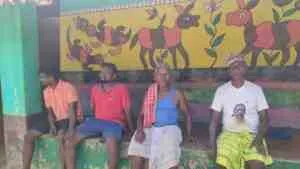
During my fieldwork, I observed that Sohrai painting has become the strongest cultural identity of Kinudih village. Almost every painted wall reflects the creativity, traditions and collective efforts of local artists.
When I asked Phulo Soren what best represents Kinudih village, she immediately answered that Sohrai painting itself is the identity of the village. The women artists expressed happiness that visitors, researchers and students now come to the village to appreciate their traditional art.
My observations also confirmed that the walls of Kinudih do not merely display paintings—they narrate the history, beliefs and traditions of the community. Each mural becomes a living record of tribal culture, transforming the village into an open-air museum of indigenous heritage.
Researcher’s Analysis:
From the interviews, I realized that Sohrai painting is not just an art form but a way of expressing culture, beliefs, and respect for nature. Different people explained its history in different ways, but everyone agreed that it is an important part of their identity. I felt that the painting reflects the close relationship between tribal communities, animals, forests, and festivals, which makes it unique and meaningful.
After talking to different people, I realized that Sohrai painting has survived for so many generations because it is not treated only as an art form but as a part of everyday life and cultural traditions. Almost every interviewee said that they learned it from their mothers, grandmothers, or elders instead of from books or schools. This shows that the tradition has been passed down naturally within families. I also observed that the paintings reflect the Santhal community’s respect for nature, animals, forests, and agriculture. Animals like cows, elephants, birds, and snakes appear in almost every painting because they are considered an important part of life. From the interviews, I understood that Sohrai painting is not only about decoration but also about expressing gratitude towards nature and preserving the beliefs and values of the community.
Chapter 3: Materials, Techniques, and Artistic Practices
3.1 Traditional Materials Used in Sohrai Painting
One of the most distinctive features of Sohrai painting is its use of natural materials collected directly from the surrounding environment. Traditionally, the walls of mud houses are first repaired and plastered with a mixture of clay and cow dung before the paintings are made. This creates a smooth and durable surface for painting.
During my interview, Sunaram Soren explained that earlier Sohrai paintings were created entirely with natural earth colours. The main pigments used include:
Gerua (Ochre Red): Used as the base colour and represents the earth.
Hali (Golden Yellow Laterite): Symbolizes harvest, warmth and prosperity.
Kohl (Soot and Manganese Black): Used for outlines and bold patterns.
Dudhi (Creamy Kaolin White): Used for fine detailing and decorative highlights. These colours are obtained from different types of soil and natural substances found in the surrounding areas.
During my interaction with Raimat Soren, she explained that earlier women themselves collected coloured soil from nearby hills, fields, and riverbanks. Different types of soil naturally produced different colours. The soil was cleaned, crushed into a fine powder, mixed with water, and then used for painting. This traditional practice reflected the deep knowledge tribal women possessed about their natural surroundings. Today, although natural colours are still used for wall paintings in many places, artists often use acrylic and synthetic paints while working on canvas, cloth and other products because they are easily available and more durable.
3.2 Tools and Painting Techniques
Traditionally, Sohrai paintings were not made with manufactured brushes. Artists used simple tools prepared from locally available natural materials. They painted using chewed twigs, fingers, and chevron-cut date-palm fronds, which helped create graceful curves and flowing lines.
During the interview, Charvi Soren shared that there has been very little change in the traditional style of Sohrai painting. According to her, the main difference is that earlier brushes were not used, whereas today artists commonly use paintbrushes for convenience. Despite this change, the traditional motifs and designs have remained almost the same.
Sunaram Soren explained that the painting usually begins with a red-coloured background, after which lighter colours such as white and yellow are gradually added. This arrangement creates balance and enhances the beauty of the artwork.
Phulo Soren also shared that before receiving training, they only painted on mud walls during festivals. Later, they learned how to use brushes and apply the same traditional designs on different surfaces while maintaining the original style.
3.3 Motifs and Their Symbolism
The beauty of Sohrai painting lies not only in its colours but also in the symbolic meanings of its motifs. Every figure represents an important aspect of tribal life, nature, and spirituality.
Some of the most common motifs include:
Bird – Represents freedom, hope, and foresight.
Cow – Symbolizes nourishment, motherhood, and prosperity, reflecting its importance in agriculture.
Peacock – Represents beauty, rainfall and the arrival of the monsoon.
Elephant – Symbol of wisdom, strength and stability.
Tiger – Represents courage, protection and the spirit of the forest.
Fish – Symbolizes prosperity, movement and the continuous flow of life.
Snake – Considered the guardian of grain and protector of the harvest.
Apart from animals, artists also paint trees, flowers, leaves and plants, symbolising growth, fertility, forests and harmony between humans and nature.
Many Sohrai paintings include tribal dance circles, where human figures holding hands represent unity, cooperation and celebrations through traditional dances such as Jhumar and Karma.
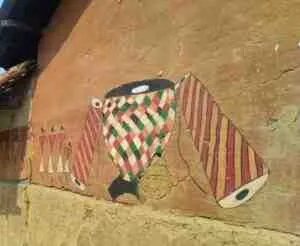
Another important symbol is the Mandar (tribal drum), which represents music, rhythm, festivals and storytelling. The drum plays an essential role in tribal celebrations and religious ceremonies.
The use of bright colours like yellow, red, green and black reflects the vibrancy of tribal life. Altogether, these motifs beautifully portray Jharkhand’s forests, wildlife, festivals and rich cultural heritage.
During the group interview, Phulo Soren, Maya Soren and Priya Soren explained that they regularly paint peacocks, cows, birds, trees, elephants and other natural figures because these are closely connected with their daily life and the Sohrai festival. They also mentioned that although every animal has its own meaning, many artists continue these traditions through practice rather than detailed historical knowledge.
3.4 Artistic Practices in Kinudih Village
The artistic practice of Sohrai painting in Kinudih village is based on observation, practice and community participation. Traditionally, daughters learn the art by watching their mothers and grandmothers paint during festivals rather than through formal education.
During the group interview, Phulo Soren explained that earlier they only knew how to paint on the walls of their houses during the Sohrai festival. They were unaware that the same art could also be created on paper, cloth or decorative objects.
She further described how they first practised on paper using pencils and simple drawings. After gaining confidence, they began painting on cloth, handkerchiefs and dupattas. Gradually they expanded their work to sarees, flower pots, pen stands, decorative frames and finally large wall murals. According to her, this gradual learning process made the artists more skilled while preserving the traditional identity of Sohrai painting.
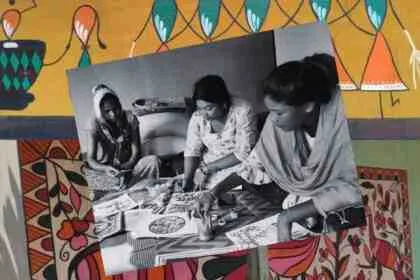
Sweta Singh, founder of Abiraa Arts, explained that although the villagers already knew the traditional art, the organisation provided systematic training from the basics. Artists were taught proper proportions, finishing, border designs, traditional motifs, and ways to adapt Sohrai painting onto canvas, cloth, wood and metal without changing its originality. She also explained that artists first practise on paper before moving to canvas and finally to different products. This method helps maintain consistency and improve the quality of the artwork.
3.5 Evolution of Techniques
The interviews reveal that Sohrai painting has evolved while preserving its traditional essence. Earlier, it was limited mainly to mud walls during the Sohrai festival and created only with natural earth colours. Today, while traditional wall paintings continue, artists have expanded their work to canvas paintings, cloth, wooden handicrafts, pottery, home décor items, and other decorative products.
Sunaram Soren explained that in earlier times the art remained limited to festivals, whereas today it has reached a much wider audience. Sweta Singh also stated that the objective is not to change Sohrai painting but to present it in forms that appeal to modern buyers while keeping the traditional motifs, stories, and cultural values intact. The interviews clearly show that although the medium has changed over time, the artistic identity of Sohrai painting continues to remain deeply rooted in tribal traditions.
Researcher’s Analysis:
While interacting with the artists, I observed that the methods of making Sohrai paintings have changed over time. Earlier, only natural colours and traditional tools were used, but today many artists also use brushes and synthetic colours according to the need. However, the traditional designs and symbols have remained almost the same. This shows that the artists are adapting to modern times while still respecting their cultural traditions.
From the interviews, I found that earlier people completely depended on natural resources to make Sohrai paintings. They collected coloured soil, stones, and clay from nearby places and prepared the colours themselves. Today, many artists use synthetic colours and market brushes because they are easier to use and give better finishing. However, I noticed that although the materials have changed, the traditional motifs, designs, and meanings have remained the same. The artists still paint animals, birds, plants, and tribal symbols in the traditional style. In my opinion, modernization has made the process easier, but it has not changed the cultural meaning of Sohrai painting. The tradition has adapted to modern times while keeping its original identity alive.
Chapter 4: Artists, Craft Communities, and Livelihoods
4.1 The Artists and Their Community
The artists of Kinudih village mainly belong to the Santhal tribal community, which has preserved Sohrai painting as a part of its cultural identity for generations. Traditionally, women decorated the walls of their homes during the Sohrai festival using natural colours and symbolic motifs. Although the art was originally practiced only during festivals, it has now become a year-round artistic activity and a source of livelihood for many families.
During the field study, most of the women artists explained that they had seen their mothers and grandmothers making Sohrai paintings on mud walls since childhood. They did not receive formal education in this art but learned naturally by observing their elders. Today, they continue this tradition while also creating paintings on canvas, cloth, wooden products, flower pots, and decorative items.
4.2 Women’s Role in Preserving Sohrai Painting
Women play the most important role in keeping Sohrai painting alive. According to Phulo Soren, women have always been responsible for decorating the house, which is why this art naturally became a part of women’s lives.
She explained that earlier, the paintings were made only on the walls during the Sohrai festival. After receiving proper training, the women learned how to paint on different materials such as canvas, dupattas, sarees, flower pots, pen stands, handkerchiefs, and decorative products. This helped transform a traditional household art into a source of income.
Phulo Soren also shared that working together creates happiness among the women. They gather in groups, paint together, encourage one another, and celebrate each other’s work. Painting has strengthened friendship and cooperation within the village.
Similarly, Maya Soren, who has been practicing Sohrai painting for about three years, shared that she enjoys making paintings because visitors from different places come to appreciate their work. She feels proud that village women are preserving this traditional art and believes that Sohrai painting will become even more famous in the future.
Chandni Soren, a young college student, said that although she does not know much about the history of Sohrai painting, she enjoys practicing it and feels happy whenever people appreciate the paintings. She believes the art will bring recognition to both the village and its culture.
Priya Soren, one of the younger artists, explained that learning Sohrai painting has helped her remain connected to her tribal heritage while also allowing her to develop artistic skills.
4.3 Contribution of Sunaram Soren in Community Development
A major turning point in the development of Sohrai painting in Kinudih was the contribution of Mr. Sunaram Soren, an experienced Sohrai artist and trainer.
According to him, he has been associated with Sohrai painting for nearly 25 years. Initially, he learned the art simply by observing village women during the Sohrai festival. Later, he began promoting the art through training programmes and workshops.
Sunaram Soren explained that many traditional tribal arts were slowly disappearing. His aim was not only to preserve Sohrai painting but also to help village women become financially independent through their artistic skills.
He conducted training programmes in different villages, including Kinudih, where women were first taught basic drawing using pencils and paper. After gaining confidence, they gradually learned painting on canvas, cloth, wooden products, walls and other decorative materials.
He also emphasized that preserving Sohrai painting means preserving the identity, culture and traditions of the Santhal community. According to him, when women earn income from this art, they gain confidence, respect and recognition within society.
4.4 Livelihood Opportunities through Sohrai Painting
Earlier, Sohrai painting was created only during festivals and had no commercial value. Today, however, it has become an important supplementary source of income for many families.
During the interviews, several women explained that after completing household work, they spend their free time creating paintings and craft products. These products are later sold through exhibitions, workshops and organizations like Abiraa Arts.
Phulo Soren shared that before receiving training, she never imagined that Sohrai paintings could be sold as decorative products. Today, she paints on various materials and earns additional income while staying at home. She expressed happiness that the money earned through painting helps meet household expenses.
Sunaram Soren also stated that commercialization has changed the role of Sohrai painting. Earlier it remained limited to festivals, whereas now artists receive orders and earn money throughout the year.
4.5 Training and Skill Development
One of the major reasons behind the growth of Sohrai painting in Kinudih has been regular training programmes.
The artists explained that they first practiced simple designs on paper before moving to canvas and wall paintings. Training focused on improving drawing skills, colour combinations, traditional motifs and product design.
According to the women artists, these workshops increased their confidence and improved the quality of their work. Certificates provided after training also encouraged them to identify themselves as professional artists.
Sunaram Soren explained that training is essential because many younger people no longer know the traditional forms correctly. Proper guidance helps preserve the originality of Sohrai painting while adapting it to modern markets.
4.6 Recognition and Identity
The artists proudly shared that Sohrai painting has brought a new identity to Kinudih village.
According to Phulo Soren, many visitors—including students, researchers, journalists and tourists—visit the village to see the painted walls. She recalled that even visitors from France came to appreciate their work.
The women also mentioned that they have painted walls at places such as Tatanagar Railway Station and Dalmanchal Restaurant, which increased public recognition of their art.
Sunaram Soren explained that because of these artistic activities, Kinudih is now recognized across Jharkhand and even outside the state as a village known for Sohrai painting.
4.7 Community Participation
The practice of Sohrai painting has strengthened unity within the village.
Women often work together in groups, sharing ideas, helping each other complete paintings and learning new designs collectively. During festivals and workshops, artists cooperate with one another, creating a positive atmosphere of teamwork.
The interviews revealed that this collective participation has not only preserved an ancient art form but has also strengthened social relationships among village women while creating opportunities for economic development.
Researcher’s Analysis:
One of the most interesting things I noticed during my fieldwork was how Sohrai painting has become a source of confidence and income, especially for women. Earlier, many women painted only on the walls of their homes, but now they create artworks on canvas, cloth, pots, and other products. Training and support from organisations have helped them earn money and gain recognition. I also felt that this art has brought the community together and encouraged many young people to learn and continue the tradition.
One of the most important things I observed during my fieldwork was that Sohrai painting has increased the confidence and financial independence of many women. Earlier, most women practised this art only on the walls of their homes during festivals. Today, many of them earn money by painting on cloth, flower pots, photo frames, and other products. From the interviews, I understood that artists connected with organizations like Abiraa Arts receive more training, market opportunities, and regular orders than those working independently. This has improved their livelihood. I also noticed that women are no longer seen only as homemakers but also as skilled artists who contribute to their family’s income. In my opinion, Sohrai painting has not only preserved a traditional art form but has also empowered women socially and economically.
Chapter 5: Preservation, Challenges, and Future Prospects
5.1 Preservation of Sohrai Painting
The preservation of Sohrai painting has become a collective effort involving local artists, community members, organizations, and cultural enthusiasts. Although the art has existed for centuries as a part of the tribal way of life, it is only in recent years that systematic efforts have been made to document, promote, and preserve it for future generations.
One of the most significant milestones in the recognition of Sohrai painting was the granting of the Geographical Indication (GI) Tag in 2020. The GI tag officially recognizes Sohrai as a unique traditional art form of Jharkhand and protects its authenticity. This recognition has helped increase awareness about the art across India and internationally. However, despite this recognition, many artists still require proper training, financial support, and market opportunities to continue practicing the art sustainably.
5.2 Role of Abiraa Arts in Preservation
During my interview, Ms. Shweta Singh, Founder of Abiraa Arts, explained that the organization’s primary objective is “Empowerment through Art.” According to her, preservation cannot happen merely by displaying artworks in museums; it becomes meaningful only when artists are able to continue practicing the tradition while earning a livelihood.
She explained that when Abiraa Arts entered villages like Kinudih, they found that women already possessed the traditional knowledge of Sohrai painting because it had been passed down through generations. However, the art lacked proper presentation, market access, quality finishing, and financial support. Therefore, Abiraa Arts started conducting free training programmes lasting from a few days to several months, depending on the skill level of the participants.
The organization provides artists with colours, brushes, canvases, fabrics, wooden products, and other materials during training. They also teach artists how to adapt traditional Sohrai motifs onto modern products such as paintings, sarees, dupattas, home décor items, flower pots, pen stands, and corporate gifts without compromising the originality of the art.
According to Ms. Singh, after training, interested artists become part of the Abiraa Arts network and regularly receive orders from corporate companies, exhibitions, retail stores, and individual buyers. This has allowed artists to continue practicing Sohrai painting throughout the year rather than only during the festival season.
She also mentioned that Abiraa Arts conducts workshops in villages, schools, colleges, government institutions, and corporate organizations. Certificates are awarded to participants after completing training, which boosts their confidence and provides recognition as trained artists.
5.3 Challenges in Preserving Sohrai Painting
During the interview, Ms. Shweta Singh discussed several challenges faced in preserving Sohrai painting. She explained that one of the biggest challenges is maintaining quality. While many people know the traditional designs, producing artwork that meets modern market standards requires continuous training and guidance. Considerable effort is needed to improve finishing, product quality, and presentation so that customers are willing to purchase the artworks.
Another challenge is creating market demand. According to her, good artwork sells if it reaches the right buyers. Therefore, connecting artists with exhibitions, corporate buyers, tourism, and national and international markets is essential for sustaining the art.
She also stated that some traditional art forms of Jharkhand are slowly disappearing because they are not being promoted adequately. Unless these art forms receive continuous support, documentation, and opportunities, they may gradually become extinct.
Although modernization has changed lifestyles, Ms. Singh believes that modernization should not alter the original identity of Sohrai painting. Instead, only the products and presentation can be modernized while preserving the traditional motifs, symbolism, and cultural values.
5.4 Promotion through Tourism, Media, and Education
According to Shweta Singh, tourism has become an important medium for promoting Sohrai painting. Visitors, students, researchers, journalists, and cultural enthusiasts frequently visit Kinudih to experience the painted village and interact with local artists.
She shared that several newspapers and media organizations, including India Today, Dainik Jagran, Dainik Bhaskar, and Prabhat Khabar, have featured the village and its artists. Such recognition has increased the confidence of women artists and encouraged them to continue their work.
She also emphasized the importance of introducing traditional art forms in schools and colleges. Abiraa Arts regularly conducts workshops in educational institutions where students learn about tribal art and culture. According to her, educating children about traditional art is one of the most effective ways to preserve cultural heritage.
Her long-term vision is to develop several “Art Villages” across Jharkhand, where every village is recognized for its indigenous art, attracting tourists and researchers while generating sustainable livelihoods for local communities.
5.5 Efforts of Sunaram Soren in Preserving Sohrai Painting
The contribution of Mr. Sunaram Soren has been one of the most significant factors in the revival of Sohrai painting in Kinudih and nearby villages. Having practiced Sohrai painting for nearly twenty-five years, he learned the art by observing village women decorating walls during the Sohrai festival. Realizing that the tradition was gradually disappearing, he decided to dedicate himself to teaching and promoting the art.
Through various training camps organized in collaboration with different organizations, including Abiraa Arts, he has trained hundreds of women, youth, and children. His teaching begins with the basics of traditional Sohrai motifs before gradually introducing artists to painting on paper, canvas, cloth, wood, and walls.
During the interview, he explained that his objective is not only to preserve an art form but also to protect the cultural identity of the tribal community. According to him, Sohrai painting reflects the relationship between human beings, animals, forests, agriculture, and nature, making it an important symbol of tribal heritage.
He also highlighted one of the major problems faced by artists—lack of marketing opportunities. According to him, artists are capable of producing excellent work, but without proper markets they cannot earn a stable income. He believes that if government agencies, private organizations, and tourism initiatives create better market linkages, more young people will be encouraged to continue practicing Sohrai painting.
He further stated that although many people can copy Sohrai motifs after watching videos on social media, only traditional artists understand the stories, meanings, and cultural significance behind every design. Therefore, preserving the knowledge along with the artwork is equally important.
5.6 Role of the Deputy Mukhiya and Village Community
The preservation of Sohrai painting in Kinudih has also been possible because of the continuous support of the village leadership, particularly the Deputy Mukhiya, along with other community members.
The Deputy Mukhiya has consistently encouraged villagers to preserve their traditional heritage and maintain the identity of Kinudih as a Sohrai Art Village. Community cooperation has been one of the village’s greatest strengths. Local leaders motivate families to decorate their homes with Sohrai paintings, participate in cultural programmes, welcome visitors, and support artists whenever workshops or exhibitions are organized.
The village leadership also works closely with organizations, researchers, government officials, and tourists who visit Kinudih. Such collaborations have helped the village gain recognition as a cultural destination while ensuring that traditional knowledge continues to be valued within the community.
The Deputy Mukhiya believes that preserving Sohrai painting is not only about protecting an art form but also about safeguarding the history, identity, customs, and collective memory of the Santhal community for future generations.
5.7 Future Prospects of Sohrai Painting
Both Shweta Singh and Sunaram Soren expressed optimism regarding the future of Sohrai painting.
According to Shweta Singh, increasing tourism, government support, school education, exhibitions, digital promotion, and wider market access can help Sohrai painting gain national and international recognition. She hopes that more villages in Jharkhand will become recognized as Art Villages, encouraging cultural tourism and creating sustainable employment for local communities. Similarly, Sunaram Soren believes that if young people continue learning the art and artists receive proper marketing opportunities, Sohrai painting will not only survive but also flourish. He emphasized that preserving traditional knowledge while adapting it to contemporary markets will ensure that the art remains relevant for future generations.
Both interviews clearly demonstrate that the future of Sohrai painting depends upon the combined efforts of artists, local communities, educational institutions, organizations like Abiraa Arts, village leadership, tourism, and government support. Through these collective initiatives, Sohrai painting has the potential to remain a living tradition while becoming an important source of cultural identity, employment, and pride for the people of Jharkhand.
Researcher’s Analysis:
From this research, I understood that preserving Sohrai painting is the responsibility of both the community and society. Although the art has received recognition through the GI Tag and the efforts of artists and organisations, there are still challenges such as limited market opportunities and lack of awareness. I believe that with continued support, proper promotion, and interest from the younger generation, Sohrai painting can become even more popular while preserving the cultural identity of the tribal communities.
During my research, I understood that commercialization has both positive and challenging effects on Sohrai painting. It has created employment opportunities, increased awareness, and helped artists reach national and international markets. At the same time, many interviewees stressed the importance of preserving the originality of the art. I also learned that receiving the GI Tag in 2020 was an important achievement because it gave official recognition to Sohrai painting. However, I feel that the GI Tag alone cannot protect this tradition. Continuous support from the government, organizations like Abiraa Arts, schools, local leaders, and the community is equally important. From the interviews, I noticed that young people are interested in learning Sohrai painting, especially when they receive proper training and opportunities. In my opinion, if awareness, education, and market support continue together, Sohrai painting will remain an important part of Jharkhand’s cultural heritage for future generations.
Comparative Analysis of Interview Responses
Chapter 1 – Village History and Cultural Background
Comparison of Interviewees
During my interviews, I found that almost all the interviewees agreed that Sohrai painting is the identity of Kinudih village and the Santhal community. Raimat Soren explained its history, cultural importance, and how the GI Tag has increased its recognition. Sunaram Soren also spoke about the historical origin of the art and connected it with the lives of the ancestors. On the other hand, younger interviewees like Chandani Soren admitted that they did not know much about the history, although they felt proud of the tradition. Phulo Soren also said that she did not know the exact origin but believed it represents the identity of the village. Shweta Singh focused more on how the village has gained recognition through Sohrai painting and tourism.
My Analysis:
From these interviews, I observed that older people have deeper knowledge about the history and meaning of Sohrai painting, while younger people know more about its present importance than its past. However, every interviewee felt proud that Sohrai painting has become the identity of Kinudih. This shows that even if historical knowledge is reducing among the younger generation, their emotional connection with the tradition still remains strong.
Chapter 2 – Sohrai Painting Tradition
Comparison of Interviewees
Most interviewees gave similar opinions about the meaning of Sohrai painting. Raimat Soren, Sankranti Mardi, and Sunaram Soren all explained that the paintings mainly show animals, forests, rivers, birds, and nature because the Santhal community lives in close harmony with nature. Phulo Soren also said that the paintings represent festivals, village life, and cattle worship. Chandani Soren described it simply as the traditional art of the tribal community without explaining its deeper meaning. Shweta Singh explained that these paintings reflect indigenous knowledge and sustainable living.
My Analysis:
I found that although the interviewees used different words, all of them connected Sohrai painting with nature and tribal culture. The older artists explained the meanings behind the symbols, while younger artists mainly focused on making the paintings. This shows that the practical tradition is continuing, but the deeper cultural knowledge needs to be passed on more actively to the younger generation.
Chapter 3 – Materials, Techniques and Artistic Practices
Comparison of Interviewees
Almost every interviewee mentioned that natural colours were used in the past. Raimat Soren explained how different coloured soils were collected from nearby hills. Sankranti Mardi also described how natural colours were prepared from soil and water. Phulo Soren said that natural colours are still used on mud walls, but synthetic paints are preferred for concrete walls and products. Sunaram Soren and Shweta Singh also explained that modern materials are used today because they are more practical and suitable for commercial products.
My Analysis:
From these interviews, I observed that everyone accepted the use of modern materials because they make the paintings more durable and attractive. However, no one felt that using synthetic colours had changed the traditional designs or cultural meaning of Sohrai painting. This shows that modernization has mainly changed the method of painting rather than its identity.
Chapter 4: Artists, Craft Communities and Livelihoods
Comparison of Interviewees
There were many similar views regarding livelihood. Sankranti Mardi and Phulo Soren explained that Sohrai painting provides extra income while allowing them to continue their household responsibilities. Raimat Soren also said that many women now earn money through painting orders received from Abiraa Arts. Sunaram Soren explained that artists can now earn throughout the year instead of only during festivals. Shweta Singh described how training, market connections, and regular orders have helped women become financially independent. However, Sunaram Soren also pointed out that artists who are not connected to organizations often struggle to find markets for their work.
My Analysis:
I observed that Sohrai painting has clearly improved the financial condition and confidence of many women. At the same time, not every artist receives equal opportunities. Those connected with organizations like Abiraa Arts receive more orders and market support than independent artists. This shows that training alone is not enough; proper marketing and continuous support are equally important for sustainable livelihoods.
Chapter 5: Preservation, Challenges and Future Prospects
Comparison of Interviewees
The interviewees had both similar and different opinions about the future of Sohrai painting. Sankranti Mardi believed the tradition is growing and is not in danger. Chandani Soren also felt that Sohrai painting would become more famous in the future. Phulo Soren believed young people would continue the tradition because many children are learning it. However, Sunaram Soren warned that without proper market opportunities and support, the tradition could slowly decline. Shweta Singh emphasized that commercialization should preserve the original style rather than change it and highlighted the importance of government support, tourism, schools, and awareness.
My Analysis:
I found that everyone wants Sohrai painting to survive, but they have different opinions about the challenges. Some interviewees are very optimistic because more people are learning the art, while others believe that financial support and market opportunities are necessary for its long-term survival. In my opinion, the future of Sohrai painting depends on the combined efforts of artists, government, NGOs, schools, and local communities. If these groups work together, this traditional art can continue to grow without losing its originality.
Overall Comparison
From all six interviews, I noticed that the interviewees shared similar views about the cultural importance of Sohrai painting, its connection with nature, and its role in preserving Santhal identity. However, their perspectives differed based on their experiences. Older artists and trainers explained the history and cultural meaning in greater detail, while younger artists focused more on learning, recognition, and future opportunities. Women artists mainly discussed how Sohrai painting has improved their confidence and income, whereas Shweta Singh emphasized training, marketing, and empowerment. These different viewpoints helped me understand Sohrai painting from cultural, social, and economic perspectives, making my study more balanced and meaningful.
Patterns and Common Themes from the Interviews
After analysing all the interviews, I found that although each interviewee had different experiences, many common themes appeared repeatedly.
- Sohrai painting is the identity of the Santhal community.
Almost every interviewee described Sohrai painting as more than just an art form. They believed it represents their culture, traditions, festivals, and close relationship with nature. This shows that the community sees Sohrai painting as an important part of its identity.
- Knowledge is passed from one generation to another.
Most interviewees said they learned Sohrai painting from their mothers, grandmothers, elders, or local trainers. This shows that the tradition has survived mainly through family and community learning rather than formal education.
- Nature is the main inspiration.
Animals, birds, trees, flowers, forests, rivers, and cattle were mentioned in almost every interview. This indicates that Sohrai painting reflects the Santhal community’s respect for nature and peaceful coexistence with all living beings.
- Modernization has changed the materials but not the tradition.
Many interviewees explained that earlier only natural colours and handmade brushes were used, whereas today market colours and brushes are common. However, they also said that the traditional designs and meanings have remained almost unchanged.
- Sohrai painting has become a source of livelihood.
Most women artists shared that they now earn income by painting on cloth, pottery, walls, and handicrafts. This shows that Sohrai painting is not only preserving culture but also improving the economic condition of many families.
- Training and organisations have played an important role.
Several interviewees appreciated the contribution of Sunaram Soren and Abiraa Arts in providing training, materials, and market opportunities. This shows that community support and organisations have helped revive the art.
- Young people are showing interest.
Most interviewees believed that children and young people are interested in learning Sohrai painting. Competitions, workshops, and school activities have encouraged the younger generation to continue the tradition.
- Preservation requires collective effort.
Many interviewees felt that government support, educational institutions, organisations, and local people all have an important role in protecting Sohrai painting for future generations.
QUESTIONNAIRE
Question 1. What is Sohrai Painting and why is it important?
Interviewee 1 :-
Name: Raimat Soren
Age: — 40 Years
Gender: Female
Occupation: Deputy Mukhiya, East Ghaghidih Panchayat
Community: Santhal Tribe
Response:
According to Raimat Soren, Sohrai painting is much more than an art form. It is closely connected with the Sohrai festival, which celebrates the harvest season and honours cattle. She explained that the painting represents the identity of the Santhal community and reflects their close relationship with forests, rivers, animals, and nature. She also mentioned that after receiving the GI Tag in 2020, Sohrai painting gained recognition across India and internationally.
Interviewee 2 :-
Name: Sankranti Mardi
Age: 32 years
Gender: Female
Occupation: Sohrai Artist
Community: Santhal Tribe
Response:
Sankranti Mardi explained that Sohrai painting is one of the most famous traditional arts of Jharkhand. She said it has existed since the time of their ancestors and is deeply connected with the tribal way of life. According to her, the paintings express respect for water, forests, land, animals, birds, and nature.
Interviewee 3 :-
Name: Chandani Soren
Age: 20 years
Gender: Female
Occupation: Student (B.Com.)
Community: Santhal Tribe
Response:
Chandani Soren described Sohrai painting as the traditional art of the tribal community. Although she was not familiar with its detailed history, she expressed pride in the tradition and believed that it represents the culture of her village.
Interviewee 4 :-
Name: Phulo Soren
Age: 30 years
Gender: Female
Occupation: Housewife & Sohrai Artist
Community: Santhal Tribe
Response:
Phulo Soren explained that Sohrai painting represents the Sohrai festival, harvest season, cattle worship, village life, birds, trees, flowers, and other elements of nature. She believes that Sohrai painting has become the identity of Kinudih village and has made the village famous.
Interviewee 5 :-
Name: Sunaram Soren
Gender: Male
Occupation: Sohrai Artist and Trainer
Community: Santhal Tribe
Response:
Sunaram Soren said that Sohrai painting is an ancient tribal art associated with the Sohrai festival. According to stories passed down by elders, early humans painted animals on cave walls after hunting, and this tradition later developed into Sohrai painting. He added that the art reflects the tribal relationship with forests, land, water, animals, and environmental conservation.
Interviewee 6 :-
Name: Shweta Singh
Gender: Female
Occupation: Founder, Abiraa Arts
Response:
Shweta Singh explained that Sohrai was chosen because it is one of the most important festivals of Jharkhand. She said that the villagers already possessed this traditional knowledge, and Abiraa Arts only helped present it in a way that could reach urban, national, and international audiences. According to her, Sohrai painting preserves tribal heritage and introduces people to sustainable indigenous lifestyles.
Question 2. How did you learn Sohrai painting?
Interviewee 1 :-
Name: Raimat Soren
Gender: Female
Occupation: Deputy Mukhiya
Community: Santhal Tribe
Response:
Raimat Soren shared that she learned Sohrai painting during her childhood by observing her grandmothers and other elders. Every year during the Sohrai festival, they painted elephants, horses, snakes, flowers, and many traditional motifs on mud walls. She explained that the younger generation naturally learned by watching and practising with the elders.
Interviewee 2 :-
Name: Sankranti Mardi
Age: 32 years
Gender: Female
Occupation: Sohrai Artist
Community: Santhal Tribe
Response:
Sankranti Mardi said that although her mother and grandmother practised Sohrai painting, she received formal training from Sunaram Soren, who taught her the traditional style, motifs, and techniques. She added that now her young daughter is also learning the art.
Interviewee 3 :-
Name: Chandani Soren
Age: 20 years
Gender: Female
Occupation: Student
Community: Santhal Tribe
Response:
Chandani Soren explained that she learned Sohrai painting from her teacher during training sessions. Through regular practice, she learned different traditional designs and gradually improved her skills.
Interviewee 4 :-
Name: Phulo Soren
Age: 30 years
Gender: Female
Occupation: Housewife & Sohrai Artist
Community: Santhal Tribe
Response:
Phulo Soren said that earlier she only saw Sohrai paintings on the walls of village houses during festivals. Later, Sunaram Soren trained her and other women free of cost. They first practised on paper using pencils and then gradually learned to paint on cloth, sarees, flower pots, photo frames, and walls.
Interviewee 5 :-
Name: Sunaram Soren
Gender: Male
Occupation: Sohrai Artist & Trainer
Community: Santhal Tribe
Response:
Sunaram Soren explained that he never attended any formal art school. He learned Sohrai painting simply by observing village elders during the Sohrai festival. His interest in drawing gradually developed into a profession, and today he teaches the same traditional knowledge to village women and children.
Question 3. Why are animals, birds, and nature the main themes of Sohrai painting?
Interviewee 1 :-
Name: Raimat Soren
Gender: Female
Occupation: Deputy Mukhiya
Community: Santhal Tribe
Response:
Raimat Soren explained that the Santhal community has always lived in harmony with nature. Their paintings include rivers, forests, birds, snakes, trees, and animals because every living being is respected and considered part of life.
Interviewee 2 :-
Name: Sankranti Mardi
Age: 32 years
Gender: Female
Occupation: Sohrai Artist
Community: Santhal Tribe
Response:
According to Sankranti Mardi, tribal people are closely connected with water, forests, land, and wildlife. Therefore, Sohrai paintings naturally include animals, birds, flowers, and plants that reflect their everyday surroundings.
Interviewee 3 :-
Name: Phulo Soren
Age: 30 years
Gender: Female
Occupation: Housewife & Sohrai Artist
Community: Santhal Tribe
Response:
Phulo Soren shared that Sohrai paintings usually include peacocks, cows, birds, flowers, trees, and many natural motifs because they represent village life, harvest, and cattle worship.
Interviewee 4 :-
Name: Sunaram Soren
Gender: Male
Occupation: Sohrai Artist & Trainer
Community: Santhal Tribe
Response:
Sunaram Soren explained that Sohrai painting reflects the tribal lifestyle of Jharkhand. The paintings symbolize the relationship between humans and nature and also encourage people to protect forests, animals, and the environment.
Interviewee 5 :-
Name: Shweta Singh
Gender: Female
Occupation: Founder, Abiraa Arts
Response:
Shweta Singh stated that the motifs of Sohrai painting beautifully represent the tribal understanding of nature. According to her, the paintings remind people of sustainable living and show how indigenous communities have always lived in harmony with the environment.
Question 4. How does Sohrai painting help in earning a livelihood?
Interviewee 1 :-
Name: Raimat Soren
Gender: Female
Occupation: Deputy Mukhiya
Community: Santhal Tribe
Response:
Raimat Soren explained that Sohrai painting has become an important source of income for many women in Kinudih. She said that Abiraa Arts provides painting orders to local artists, while Sunaram Soren trained women free of cost. Today, artists make paintings on cups, glasses, and other handicraft items, which helps support their families financially.
Interviewee 2 :-
Name: Sankranti Mardi
Age: 32 years
Gender: Female
Occupation: Sohrai Artist
Response:
Sankranti Mardi shared that she earns extra income by making Sohrai paintings after completing her household work. She receives orders for paintings on dupattas and other products through Abiraa Arts, which provides financial support to her family.
Interviewee 3 :-
Name: Phulo Soren
Age: 30 years
Gender: Female
Occupation: Housewife & Sohrai Artist
Response:
Phulo Soren explained that after receiving training, she started making paintings on flower pots, sarees, dupattas, photo frames, and decorative items. These products are sold, allowing her to earn money while staying at home and contributing to household expenses.
Interviewee 4 :-
Name: Sunaram Soren
Gender: Male
Occupation: Sohrai Artist & Trainer
Response:
Sunaram Soren stated that Sohrai painting is no longer limited to festivals. Artists now work throughout the year and sell paintings and handicrafts, making it an important livelihood option, especially for women.
Interviewee 5
Name: Shweta Singh
Gender: Female
Occupation: Founder, Abiraa Arts
Response:
Shweta Singh said that Abiraa Arts regularly provides orders to trained artists through corporate and retail projects. According to her, the main aim is to empower women by creating sustainable income opportunities through traditional art.
Question 5. How has Sohrai painting changed over time?
Interviewee 1
Name: Raimat Soren
Gender: Female
Occupation: Deputy Mukhiya
Community: Santhal Tribe
Response:
Raimat Soren explained that earlier Sohrai paintings were made using handmade brushes prepared from bamboo and sal wood sticks. Today, artists mostly use market brushes, which provide a finer finish. However, she emphasized that the traditional designs and motifs have remained unchanged.
Interviewee 2
Name: Sankranti Mardi
Age: 32 years
Gender: Female
Occupation: Sohrai Artist
Response:
Sankranti Mardi shared that the biggest change has been in the use of colours. Earlier, only natural colours such as red, white, yellow, and black were used, whereas today artists also use blue, pink, brown, and other market colours while keeping the traditional designs intact.
Interviewee 3
Name: Chandani Soren
Age: 20 years
Gender: Female
Occupation: Student
Response:
Chandani Soren stated that there have not been many changes in Sohrai painting. The only noticeable difference is that earlier artists painted without brushes, while today they commonly use paintbrushes.
Interviewee 4 :-
Name: Sunaram Soren
Gender: Male
Occupation: Sohrai Artist & Trainer
Response:
Sunaram Soren explained that Sohrai painting was once limited to mud walls using natural earth colours. Today it is practised on canvas, cloth, paper, wooden products, and decorative items using synthetic colours, making it suitable for commercial purposes.
Interviewee 5
Name: Shweta Singh
Gender: Female
Occupation: Founder, Abiraa Arts
Response:
Shweta Singh stated that Abiraa Arts has not changed the original style of Sohrai painting. Instead, it has introduced modern products and better finishing techniques so that the traditional art can appeal to contemporary buyers without losing its authenticity.
Question 6. What message would you like to give to the younger generation regarding Sohrai painting?
Interviewee 1 :-
Name: Raimat Soren
Gender: Female
Occupation: Deputy Mukhiya
Response:
Raimat Soren encouraged young people to preserve Sohrai painting because it represents the identity of the Santhal community and the cultural heritage of Jharkhand.
Interviewee 2
Name: Sankranti Mardi
Age: 32 years
Gender: Female
Occupation: Sohrai Artist
Response:
Sankranti Mardi encouraged everyone to learn Sohrai painting as it not only preserves tribal culture but also provides opportunities for self-employment and financial independence.
Interviewee 3
Name: Phulo Soren
Age: 30 years
Gender: Female
Occupation: Housewife & Sohrai Artist
Response:
Phulo Soren said that Sohrai painting is simple to learn and should be passed on to children so that the tradition continues for future generations.
Interviewee 4
Name: Sunaram Soren
Gender: Male
Occupation: Sohrai Artist & Trainer
Response:
Sunaram Soren advised young people to understand the cultural meaning behind Sohrai painting and continue practising it so that this valuable tradition does not disappear.
Interviewee 5
Name: Shweta Singh
Gender: Female
Occupation: Founder, Abiraa Arts
Response:
Shweta Singh emphasized that parents and schools should encourage children to learn the traditional art forms of their own state because these art forms are an important part of India’s cultural heritage.
Key Differences in the Opinions of Interviewees
Government Support
Raimat Soren believed that the government has supported Sohrai painting, especially after it received the GI Tag, which increased its recognition. However, Sunaram Soren felt that although recognition has improved, financial assistance and market support from the government are still limited. This shows that while official recognition has increased, artists still expect more practical support.
Future of Sohrai Painting
Sankranti Mardi and Chandani Soren believed that Sohrai painting has a bright future because more people are learning it. On the other hand, Sunaram Soren felt that the future depends on better market opportunities. According to him, without proper income and support, young people may not continue the tradition.
Commercialization
Phulo Soren, Sankranti Mardi, and Shweta Singh viewed commercialization positively because it provides employment and income. However, Shweta Singh also emphasized that commercialization should not change the original style of Sohrai painting. This suggests that earning money is important, but protecting authenticity is equally necessary.
Knowledge of History
Older interviewees like Raimat Soren and Sunaram Soren explained the history and cultural significance of Sohrai painting in detail. In contrast, Chandani Soren said that she did not know much about its history. This indicates that historical knowledge is stronger among older generations than younger ones.
Researcher’s Personal Observations During Fieldwork
During my field visit to Kinudih village, I observed that Sohrai painting is not limited to museums or exhibitions but is a living tradition practiced by the local community. Many houses had beautifully painted walls with traditional Sohrai motifs, making the entire village look colourful and culturally rich.
I noticed that the artists were welcoming and eager to explain the meaning of their paintings. They proudly shared their experiences and encouraged visitors to learn about their culture. This showed their strong attachment to their traditions.
One of my personal observations during the fieldwork was that not every artist was comfortable giving an interview. Priya Soren, who was working with Phulo Soren and also learning Sohrai painting, introduced me to Phulo Soren but did not want to answer my questions herself. Even after I requested her, she preferred not to speak. I do not know the exact reason, but this experience taught me that during field research, some participants may not feel comfortable sharing their views. As a researcher, I respected her decision and continued my study without forcing her to participate.
Women played a major role in practicing and preserving Sohrai painting. I observed that many women balanced their household responsibilities while also creating paintings on walls, cloth, flower pots, and other decorative items. Their confidence and enthusiasm reflected how the art has become a source of both cultural pride and financial support.
I also observed that natural elements such as animals, birds, trees, flowers, and geometric patterns were present in almost every painting. This confirmed the close relationship between the Santhal community and nature.
Another important observation was the growing interest of visitors, researchers, and students in the village. This has increased awareness about Sohrai painting and encouraged the local artists to continue preserving their traditional art.
Overall, my field visit helped me understand that Sohrai painting is not only an artistic tradition but also an important part of the social, cultural, and economic life of Kinudih village.
Interpretation of the Research Findings
After analysing all the interviews and my field observations, I understood that Sohrai painting is much more than a traditional painting made during festivals. It is an important part of the culture, identity, and daily life of the Santhal community. Almost every interviewee explained that Sohrai painting represents their relationship with nature, animals, festivals, and their ancestors. This shows that the art is deeply connected with their way of life and not just used for decoration.
The interviews also show that Sohrai painting has changed over time. Earlier, it was mostly painted on mud walls during the Sohrai festival, but today artists also create paintings on cloth, paper, flower pots, wooden items, and many other products. This change has created new opportunities for artists to earn money while keeping the traditional designs alive. Women, in particular, have benefited because they can now work from home and support their families financially.
I also noticed that different generations have different viewpoints. Older people have more knowledge about the history and meaning of Sohrai painting because they learned it from their elders. Younger people are interested in learning the art, but some of them know less about its historical background. This shows that although the tradition is continuing, more efforts are needed to teach young people about its cultural importance.
Overall, the interviews helped me understand that Sohrai painting is helping Kinudih village preserve its culture while also creating new opportunities for development. However, continuous support, awareness, and proper marketing will be important for protecting this tradition in the future.
Contribution of the Study
This study helped me understand how an old tribal art form can still play an important role in modern society. Through the interviews and fieldwork, I learned that Sohrai painting is not only preserving the cultural identity of the Santhal community but is also improving the lives of many people, especially women. The study shows that traditional knowledge can become a source of income when artists receive proper training, support, and market opportunities.
Another important contribution of this study is that it records the experiences and opinions of different people connected with Sohrai painting, including artists, trainers, local leaders, and the founder of Abiraa Arts. Their views help us understand the cultural, social, and economic importance of this art from different perspectives.
This research can also be useful for future students, researchers, and organisations who want to study tribal art, cultural heritage, or rural development. It shows that protecting traditional art is not only about preserving history but also about improving the lives of the people who continue to practise it. I hope this study will encourage more people to learn about Sohrai painting and appreciate the rich cultural heritage of Jharkhand.
Researcher’s Perspective
Before visiting Kinudih village, I thought Sohrai painting was simply a traditional wall painting made during festivals. However, after meeting the artists, talking with them, and observing their work, my understanding completely changed. I realised that every painting has a meaning and tells a story about the Santhal community, their traditions, festivals, beliefs, and their close relationship with nature.
While conducting the interviews, I also learned that every participant has a different experience and viewpoint. Some explained the historical background of the art, while others focused on how Sohrai painting has improved their lives by providing income and recognition. Listening to different opinions helped me understand the importance of looking at a topic from different perspectives instead of depending on only one source of information.
During my fieldwork, I also realised that being a researcher requires patience, good listening skills, and respect for every participant. Some people spoke confidently, while others preferred to remain silent or share only a little information. This taught me that every person’s comfort level is different, and a researcher should always respect their choice. Overall, this research experience increased my confidence and helped me understand the importance of fieldwork in learning about culture and society.
Insights Gained from the Study
This study taught me many valuable lessons about culture, tradition, and community life. I learned that traditional knowledge survives only when people continue to practise it and teach it to the next generation. The interviews showed that mothers, grandmothers, elders, trainers, and organisations all play an important role in keeping Sohrai painting alive.
I also learned that women are the main strength behind this tradition. Many women have successfully balanced their household responsibilities while also creating beautiful artworks and earning additional income. This has increased their confidence and allowed them to contribute to their families financially. Their experiences show that traditional art can become a source of women’s empowerment.
Another important lesson I learned is that modernization is not always harmful to traditional art. Modern colours, brushes, and products have helped artists reach more people and earn better incomes. However, it is equally important to preserve the original designs, stories, and cultural meanings of Sohrai painting so that its true identity is not lost.
Finally, this study made me realise that preserving a traditional art form is not only the responsibility of artists. The government, educational institutions, NGOs, researchers, local communities, and young people all have an important role to play. If everyone works together, Sohrai painting can continue to grow, inspire future generations, and remain a proud symbol of the cultural heritage of Jharkhand.
Key Findings
Sohrai painting is an important symbol of the cultural identity of the Santhal community.
- The tradition has been passed down from one generation to another through family and community practices.
- Modern materials have made painting easier, but the traditional motifs and meanings have largely remained unchanged.
- Sohrai painting has created new livelihood opportunities, especially for women.
- Organizations such as Abiraa Arts and trainers like Sunaram Soren have played an important role in promoting the art.
- Despite increasing recognition, challenges such as limited market access and the need for greater awareness still exist.
Researcher’s Observations
During my visit to Kinudih village, I saw that Sohrai painting is a very important part of the villagers’ lives. Many houses were beautifully painted, and every painting showed something related to nature, animals, or village life. The villagers welcomed me warmly and answered my questions politely.
I also noticed that most women are actively involved in making Sohrai paintings. Along with taking care of their homes, they also continue this tradition and earn some extra income.
One thing I personally observed was that not everyone was comfortable giving an interview. For example, Priya Soren was involved in Sohrai painting and also introduced me to Phulo Soren, but she did not speak much during the interview. I felt she was a little shy or not confident in speaking, even though she knew the art very well. This made me understand that some people express themselves better through their work than through words.
Researcher’s Reflection
Before this fieldwork, I only knew that Sohrai painting was a traditional wall painting. After visiting the village and meeting the artists, I understood that it is much more than that. It is connected with the culture, festivals, beliefs, and identity of the Santhal community.
This fieldwork also helped me improve my communication skills. I learned how to talk to people, ask questions politely, and listen carefully to their experiences. Overall, this study gave me a better understanding of tribal culture and traditions.
Challenges Observed During the Fieldwork
During my fieldwork, I noticed a few challenges. Some artists are very talented but do not always get enough opportunities to sell their paintings. They depend on organisations or exhibitions to receive work.
I also noticed that some people know a lot about Sohrai painting but hesitate to speak in front of others. Another challenge is that many young people are busy with their studies or jobs, so it may become difficult to continue this tradition if they do not take interest in it.
Researcher’s Suggestions
According to me, Sohrai painting should be taught in schools and colleges through workshops so that children can learn about their culture from an early age.
The government and organisations should organise more exhibitions and provide better support to artists so that they can earn more from their work. Tourism should also be promoted because more visitors will help the artists and make more people aware of Sohrai painting.
I also think that young people should learn this art from their elders so that this beautiful tradition continues in the future.
What I Learned from This Study
This fieldwork taught me that Sohrai painting is not just a painting but a part of the life and identity of the Santhal community. I learned that women play a very important role in keeping this tradition alive.
I also understood that traditional art can become a source of income if people get proper training and support. Most importantly, I learned that meeting people personally and listening to their experiences helps us understand things much better than reading them in books. This study has increased my respect for tribal culture and the hard work of the artists who are preserving it.
Conclusion
The present study on “Sohrai Painting Tradition of Kinudih Village, East Singhbhum” highlights that Sohrai painting is much more than a decorative art form. It is a living cultural heritage that reflects the history, beliefs, traditions, and close relationship of the tribal communities with nature, animals, and agriculture. For generations, this art has been practiced during the Sohrai festival as a symbol of gratitude, prosperity, and harmony with the environment. Through this fieldwork, it became evident that every painting carries cultural values that have been preserved through oral traditions and practical learning rather than written records.
The study also reveals that although Sohrai painting has deep historical roots, it has successfully adapted to changing times. Earlier, it was confined to the walls of mud houses, but today it is created on canvas, cloth, pottery, wood, and various handicraft products. This transformation has not only helped preserve the art but has also created new livelihood opportunities for the artists, especially women. The contribution of organizations such as Abiraa Arts, along with the dedicated efforts of Mr. Sunaram Soren, local artists, and the village leadership, has played a significant role in reviving and promoting this traditional art. Their initiatives have enabled women artists to receive training, gain confidence, earn income, and showcase their work at national and international platforms.
The field interviews clearly demonstrated that the people of Kinudih consider Sohrai painting an integral part of their identity. Women artists proudly continue the tradition inherited from their ancestors while also teaching the younger generation. The recognition of Sohrai painting through the Geographical Indication (GI) Tag in 2020 has further strengthened its cultural importance, although challenges such as limited marketing opportunities, inadequate government support, and the risk of losing traditional knowledge still remain.
Personally, this fieldwork was a valuable learning experience. Interacting directly with the artists, trainers, community members, and representatives of Abiraa Arts allowed me to understand Sohrai painting beyond books and secondary sources. I observed how art can preserve history, strengthen community relationships, empower women, and contribute to rural development. Visiting Kinudih helped me appreciate the dedication of the villagers in protecting their cultural heritage despite various challenges.
In conclusion, Sohrai painting represents the cultural soul of Kinudih village. Its preservation is essential not only for safeguarding an ancient tribal tradition but also for promoting sustainable livelihoods, cultural tourism, environmental awareness, and indigenous knowledge. Continued cooperation among local communities, artists, educational institutions, non-governmental organizations, researchers, and government agencies will ensure that this unique heritage continues to flourish and inspire future generations.