
Editorial Note:
Rourkela is widely known for its heavy industry and steel plant, but beneath its industrial identity lies an older history of rivers, forests, hills, and indigenous communities whose relationship with the land goes back generations. As part of her internship with Samadhwani, Simran Kaur, a BA Political Science Honours student of Ispat Autonomous College, Rourkela, documented the history, culture, and changing lives of indigenous communities around Rourkela and Sundargarh through oral histories and conversations with elders and residents. Their stories reveal both the positive changes brought by development- better roads, schools, LPG, and new opportunities and the gradual loss of forests, traditional foods, livelihoods, family structures, and ancestral knowledge. Simran’s documentation reminds us that the story of Rourkela is not only the story of industrial growth. It is also the story of the people, landscapes, memories, and traditions that existed long before the rise of the steel city. Her idea of a “Digital Heritage of Rourkela” is a meaningful step towards preserving these living memories for future generations.
The story of Chota Nagpur Plateau:
Long, long ago, in the eastern part of India, nature sculpted a breathtaking landscape with its own hands. Surrounded by dense, whispering forests, rolling hills, and melodies of flowing rivers, this region came to be known as the Chota Nagpur Plateau. Nestled snugly in the green lap of this very plateau lies our beautiful city- Rourkela.
If we listen to its geography like a story, it begins with the beautiful friendship of two spirited rivers. Streaming down from the north comes the Sankh River, and rushing from another direction comes the Koel River. They run toward each other and share a holy embrace at a sacred spot in Rourkela called ‘Vedvyas’. From the beautiful union of these two friends, a new, majestic river is born, which the world knows as the Brahmani River. This river becomes the lifeline of Rourkela, keeping its banks forever fertile, lush, and alive.


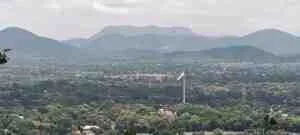
But Rourkela’s geographical story doesn’t stop at its rivers. Standing tall all around the city are majestic green hills, looking like silent guardians watching over the town. Because of these hills, the weather here loves to play contrasting roles—while the winters bring a cozy, pleasant chill, the summer sun blazes intensely, matching the fiery spirit of the city’s industrial furnaces.
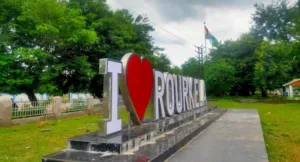
Deep beneath this earth, nature had hidden a massive treasure chest. The soil and rocks here were packed with priceless minerals like iron ore, dolomite, and limestone. This is exactly why, when a young India needed a strong industrial backbone, this quiet, forest-fringed pocket in the Sundargarh district of Odisha was chosen. And just like that, the quiet valley transformed into India’s first ‘Steel City’.
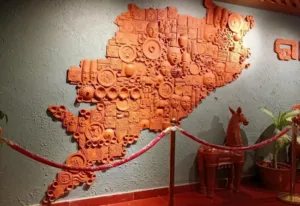
Looking at the map, this beautiful city sits in the north-western corner of Odisha, about 340 kilometers away from the capital city of Bhubaneswar. Today, carved right through its unique geography of rivers, forests, and mountains, major railway tracks and highways run, connecting this ‘city of hills’ to the rest of India.
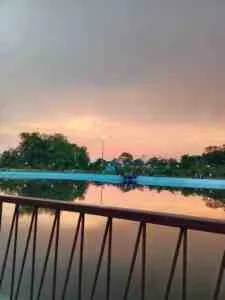
The unique topography of Rourkela has also directly shaped how the city is organized today. Split cleanly into two distinct zones by a major railway line, the city features the Steel Township on one side and the Civil Township on the other.
THE LEGEND OF ROURKELA
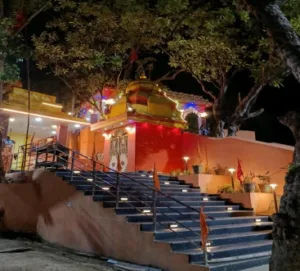
One of the most famous and cherished legends associated with Rourkela is the story of the Vedvyas Temple, situated about 15 kilometers from the city. This ancient temple is located at the sacred confluence of the Shankh and Koel rivers, where they unite to form the Brahmani River. According to local tradition, the invisible Saraswati River also joins these rivers underground, making the place highly sacred.
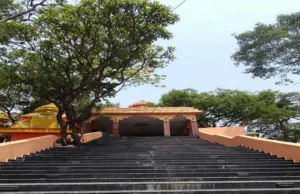
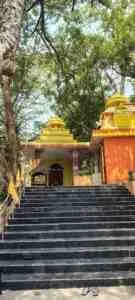
The temple is closely connected with the great sage Ved Vyasa, one of the most respected sages in Hindu mythology. According to local belief, Ved Vyasa was born at this place and spent many years meditating in a cave near the temple. It is believed that he gained divine knowledge through deep meditation and spiritual practices. Because of his association with this place, the area came to be known as Vedvyas.
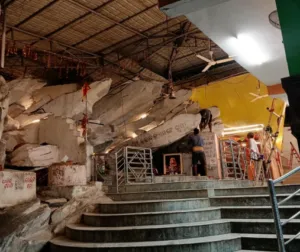
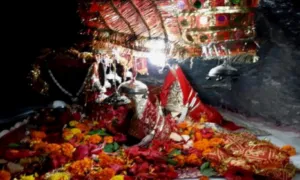
Every year, during Maha Shivaratri, thousands of devotees from Odisha and neighbouring states gather at Vedvyas Temple. A grand fair is organised with devotional songs, prayers, cultural programmes, and traditional stalls, making it one of the most important religious events in the region. Today, the Vedvyas Temple is an important pilgrimage center and one of the most significant cultural landmarks of the Rourkela region. The legend of Sage Ved Vyasa continues to be passed down from generation to generation, reminding people of the region’s rich spiritual heritage and ancient traditions. Although these stories are based on local beliefs rather than confirmed historical evidence, they remain an inseparable part of Rourkela’s cultural identity.
A JOURNEY INTO NATURE AND CULTURE
One pleasant morning, I visited a beautiful village near Rourkela, Odisha, to understand its history, culture, and the daily life of its people. As I entered the village, I was welcomed by fresh air, green fields, and the peaceful sound of birds. The villagers greeted me warmly and happily shared stories about their village.
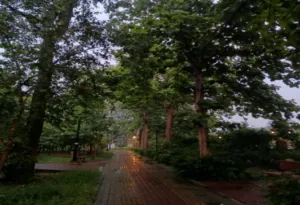
The village is surrounded by lush greenery, old banyan and peepal trees, small ponds, and open fields. There is also a sacred temple and a memorial stone that reminds the villagers of their ancestors. According to local elders, the village has existed for many generations and has preserved many traditions.
As I walked through the village, I learned that there are approximately 1,25,126 households with a total population of about 5,52,239 people, according to the Census 2011 living there. The village is home to different communities such as Odia, Adivasi (Munda, Oran), Scheduled Castes, and other backward communities etc, who live together peacefully and celebrate festivals with unity.
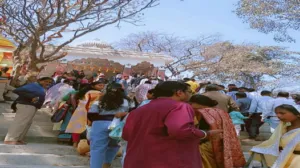
The villagers depend on different water sources. There are ponds, tube wells, hand pumps, and piped water supplied under government schemes. The ponds are used for fish farming and sometimes for washing clothes, while clean drinking water mainly comes from tube wells and tap connections
Near the village lies a forest connected to the Saranga Forest region near Rourkela. The forest is rich in natural beauty and provides fresh air and resources for nearby villages. Trees commonly found here include Sal, Teak, Bamboo, Neem, Mango, Mahua, Banyan, Peepal, Jamun, Tamarind, and Arjun. These trees provide fruits, medicine, wood, and shelter for wildlife.
While exploring the forest and nearby fields, I saw many animals and birds. Common animals include cows, buffaloes, goats, dogs, monkeys, squirrels, and occasionally elephants that move through forest areas. Birds such as peacocks, parrots, pigeons, kingfishers, mynas, crows, and sparrows are commonly seen. Butterflies, honeybees, dragonflies, ants, and many other insects are also found.
Near the village lies a forest connected to the Saranga Forest region near Rourkela. The forest is rich in natural beauty and provides fresh air and resources for nearby villages. Trees commonly found here include Sal, Teak, Bamboo, Neem, Mango, Mahua, Banyan, Peepal, Jamun, Tamarind, and Arjun. These trees provide fruits, medicine, wood, and shelter for wildlife.
While exploring the forest and nearby fields, I saw many animals and birds. Common animals include cows, buffaloes, goats, dogs, monkeys, squirrels, and occasionally elephants that move through forest areas. Birds such as peacocks, parrots, pigeons, kingfishers, mynas, crows, and sparrows are commonly seen. Butterflies, honeybees, dragonflies, ants, turtles, ostriches, and many other insects are also found.
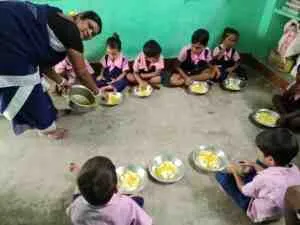
The village has a government primary school and an Anganwadi center where young children receive education and nutrition. Older students travel to nearby schools and colleges in Rourkela for higher education. Teachers encourage students to continue their studies and make use of government scholarship schemes.
When villagers fall sick, they first visit the local health sub-center or an ASHA worker. For serious illnesses, they travel to Rourkela Government Hospital (RGH) or IGH (Ispat General Hospital). Common health problems include seasonal fever, cold, cough, malaria during the rainy season, and stomach infections. Health camps and vaccination programmes are regularly organised.
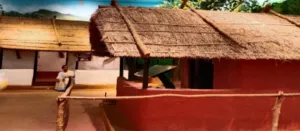

The roads connecting the village to Rourkela are mostly pucca (concrete), making transportation easier. People use bicycles, motorcycles, auto-rickshaws, buses, and tractors. Farming has become easier because many farmers now use tractors, water pumps, and modern agricultural machines. Government schemes like PM Awas Yojana, Jal Jeevan Mission, MGNREGA, and improved electricity and internet services have brought positive changes. Mobile phones and digital banking have also become common.
Socio-Cultural and Ecological Transitions in the Khadia Community
(Data Source: Primary Field Interview with Shivani Khadia, Age-55, Local Housewife, Khadia ST Community)
Shivani Khadia is 55 now, a housewife who has spent her whole life in the Rourkela region, in a community that settled here generations ago amid its own history of conflict and displacement. Shivani belongs to the Khadia Scheduled Tribe, and when she speaks, she speaks as someone who remembers a version of daily life that has almost entirely disappeared. Settled in the Rourkela region through historical periods of conflict and displacement, the Khadia community traditionally relied heavily on forest resources and manual domestic labor. Women would walk 2–3 km daily to collect firewood for cooking and income generation. However, rapid industrialization and deforestation have disrupted these traditional routines. The shift from wood-burning clay stoves (chulha) and manual stone mortars (sil-batta) to LPG gas and market-bought packaged foods has alleviated fuel gathering but degraded nutritional health and food quality, as Shivani noted, “Traditional local food possessed immense strength… today’s packaged foods bring health risks.” Furthermore, deforestation has depleted local medicinal plants, forcing villagers to abandon traditional herbal remedies for hospital treatments. Culturally, while female education was once discouraged, young women today actively pursue education and employment, and household decision-making has become joint. Additionally, relocation challenges and spatial shifts have fragmented traditional joint families into nuclear units, though mutual community support persists. Shivani Khadia’s narrative highlights the profound impacts of modernization and ecological loss on indigenous livelihoods and gender dynamics.
- Chandra Khadia -The Farmer Who Watched the City Arrive
Chandra Khadia, a 65-year-old retired farmer and laborer, shared that they initially sourced water for farming from brick kilns (eeta-batta) to grow paddy, though they gradually expanded into cultivating vegetables like tomatoes, brinjal, and bottle gourd over time. Following the establishment of the local steel plant and city, they diversified crop varieties to meet growing urban food demands, though deforestation for development made finding fodder for livestock increasingly difficult. Using cow dung as natural fertilizer yielded rich paddy harvests, which funded his children’s education. He also described their traditional farming customs, where they burned incense before planting paddy by hand in the mud, later celebrating the harvest by dancing and singing while carrying the grain home to place at their doorstep.”
(3) Name: Asthami Dumdum
Asthami Dumdum, a 60+ year-old manual labourer from the Khadia community, transitioned from agricultural work to heavy construction labor, carrying materials like bricks and sand up to three stories, after farmland was acquired for the local steel plant. She reflects on working when construction rates were as low as ₹4, noting how present-day inflation makes managing household groceries, electricity bills, and children’s education vastly more difficult compared to earlier times when self-sufficient farming eliminated food expenses and villagers enjoyed clean air. When injured on the job, workers relied on traditional herbal medicines (desi jadi-bootiyan) to recover quickly and resume long, grueling workdays that paid very low wages. Additionally, she highlights the systemic social discrimination her community faced, being denied respect due to illiteracy and skin color despite their hard work, which drives her strong advice to the younger generation to prioritize formal education, emphasizing that while uneducated people could survive through farming in the past, education is essential to progress in today’s changed world.”
(4) Susma Nayak
Susma, 42, has spent thirteen years as an Anganwadi helper, and her days are built around the unglamorous, essential work of care. She handles essential daily duties including cleaning, preparing nutritious meals, and caring for young children. She considers engaging with the children, teaching, playing, and nurturing them, to be the most rewarding part of her role, as it lays a strong foundation for their early education and physical development. Reflecting on past operational challenges, she highlights that cooking was once extremely difficult when relying on traditional wood-fired stoves (chulha) with scarce resources, which limited their ability to support the children effectively. Today, government welfare initiatives and modern infrastructure, such as LPG gas connections, mixer-grinders, and continuous electricity, have dramatically improved daily operations, enabling timely meal preparation, better hygiene standards, and a comfortable, well-ventilated environment where children can learn and thrive.
- Lakhbinder Kaur
Lakhbinder, 46, is a housewife who reflected on the evolution of household management, contrastingly comparing past domestic practices with present-day lifestyles. She highlighted how modern government schemes have eased everyday struggles by providing improved welfare support, infrastructure, and basic household assistance. A central focus of her conversation was the education of children, where she emphasized that while securing a good education in earlier times was complex due to limited resources, modern awareness coupled with supportive government policies has made quality schooling far more accessible and essential for the younger generation’s future.
Taken together, these five interviews of a housewife, a farmer, a labourer, an Anganwadi helper, and a mother trace the same transformation from five different vantage points: forests giving way to factories, subsistence farming to wage labour, wood smoke to gas flames, and illiteracy to an almost universal insistence on education. What unites them is not agreement on whether change has been good or bad, but a shared recognition that the Rourkela they were born into no longer exists, and that their children will inherit a world their grandparents would barely recognize.
My visit to this village near Rourkela was a memorable experience. I learned that although village life is simple, the people are hardworking, united, and closely connected with nature. Modern facilities are gradually improving their lives while they continue to preserve their traditions and culture. This visit helped me understand the true beauty and importance of rural life.
Our visit to the village was a memorable experience as we interacted with the elderly residents to learn about its history and traditions. We interviewed five senior villagers from different communities, and each shared valuable stories passed down through generations. According to them, the village has existed for hundreds of years. The first settlers were mainly tribal families who chose this place because of its fertile land, dense forests, clean rivers, and peaceful surroundings. Agriculture, forest resources, and livestock were their main sources of livelihood. They lived simple yet happy lives, helping one another like members of one large family.
The elders explained that the village received its name from a local natural feature and an old tribal belief. Although different families narrate the story in slightly different ways, everyone agrees that the village’s name reflects its close connection with nature and its cultural roots. As years passed, people from neighbouring villages and different communities migrated here in search of fertile farmland, employment, and a peaceful life. Instead of conflicts, they accepted each other with respect and gradually built a united community where festivals, farming, and daily responsibilities were shared.
The senior villagers remembered that the environment in the past was very different from today. Thick forests surrounded the village, and wild animals, birds, and butterflies were commonly seen. Rivers and ponds remained clean throughout the year, providing drinking water and supporting farming activities. Children spent their childhood playing in open fields, climbing trees, fishing in ponds, and collecting fruits from the forest. The air was fresh, and people lived in harmony with nature. According to the elders, life was slower, simpler, and much closer to the environment than it is today.
The village is also connected with several interesting legends and sacred places. One of the most famous stories in the Rourkela region is related to the Vedvyas Temple, located near the confluence of the Sankh and Koel Rivers. Local tradition believes that the great sage Ved Vyasa meditated here and composed parts of the Mahabharata. Many villagers visit this holy place during religious festivals and believe it brings peace, blessings, and spiritual strength. Such stories have become an important part of the region’s cultural identity and continue to inspire younger generations.
The elders happily described the festivals celebrated during their childhood. Important festivals such as Nuakhai, Karma, Sarhul, Raja Parba, Makar Sankranti, and Durga Puja were celebrated with great enthusiasm. Before the celebrations, people cleaned and decorated their homes using clay, flowers, and natural colours. Women prepared delicious traditional dishes such as pitha, rice cakes, dal, seasonal vegetables, and sweets. Men and women wore colourful traditional clothes, while young people performed folk dances and sang traditional songs throughout the night. Among all festivals, Nuakhai was regarded as the biggest celebration because it marked the arrival of the new harvest and strengthened family and community bonds
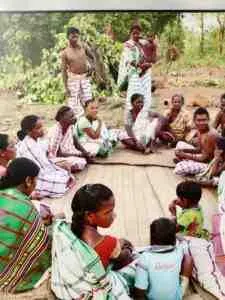
According to the elders, social relationships in earlier times were very strong. Every family participated in community activities, and neighbours supported one another during farming, house construction, marriages, and festivals. If disagreements arose, they were peacefully resolved in meetings conducted by respected village elders. Their decisions were accepted by everyone because they were based on fairness, honesty, and mutual understanding. This strong sense of unity helped maintain peace and cooperation within the village.
The village deity was believed to be the protector of the entire community. Every year, villagers gathered at the village shrine to perform special prayers for good rainfall, healthy crops, protection from diseases, and prosperity. During difficult times such as floods, droughts, or epidemics, the entire village came together to organise community pujas and seek blessings. Although these traditions still continue today, the elders feel that the younger generation is less involved because of changing lifestyles and modern influences.
The elders also described the customs followed during marriages, births, and deaths in earlier times. Weddings were simple but full of traditional rituals, folk songs, and community feasts. Guests were served rice, dal, vegetables, pitha, and other homemade dishes prepared collectively by villagers. During childbirth, relatives and neighbours celebrated together, while deaths were observed with prayers and traditional rituals to honour the departed soul. These customs reflected the strong emotional bonds among the villagers and their respect for their cultural heritage.
Our interviews with the elders helped us understand how the village has changed over the years. Better roads, schools, healthcare, electricity, and government schemes have improved the quality of life. Modern technology and education have brought new opportunities, but the village still preserves many of its traditional customs, festivals, and values. Listening to these stories made us realise the importance of protecting the history, culture, and natural beauty of the village so that future generations can continue to learn from its rich heritage.
AGRICULTURE & FOOD
Although Rourkela is widely known as an industrial city because of the Rourkela Steel Plant, the surrounding villages have a long agricultural tradition. Before industries expanded, most families depended on farming for their livelihood. Agriculture provided food, employment, and a strong sense of community. Even today, many villages around Rourkela continue to cultivate crops using both traditional and modern farming methods.
The main crop grown in this region is paddy (rice), which is cultivated during the monsoon season. Farmers also grow maize, pulses, mustard, vegetables, groundnuts, and seasonal fruits. In earlier times, traditional millets such as ragi and suan (little millet) were common because they required less water and were highly nutritious. However, with changing food habits and improved irrigation, rice became the preferred staple crop.
Food Habits in the Past
In the past, people mainly ate simple homemade food prepared from locally grown crops. Their daily meals included rice, dal, leafy vegetables, pumpkin, brinjal, and seasonal vegetables. Forest products such as mushrooms, bamboo shoots, and wild leafy greens were also collected and cooked. Traditional Odia dishes like Pakhala Bhata, Mandia Porridge, Saga Bhaja, and Dalma were commonly prepared.
With urbanization and industrial development, food habits gradually changed. Today, many families consume packaged food, bakery items, fast food, and restaurant meals. Younger generations prefer noodles, burgers, pizza, and soft drinks. However, many families still prepare traditional dishes during festivals and special occasions to preserve their cultural heritage.
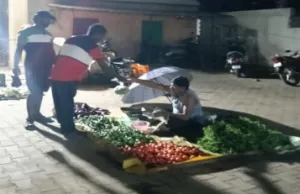
Agriculture remains an important occupation in villages, but many people now work in industries, small businesses, shops, transportation, construction, and government offices. While industrial jobs have improved income for many families, farming continues to support rural households and provides fresh food for local markets.
OUR CULTURE
The Rich Cultural Heritage of Rourkela
Rourkela is a multicultural city where people from different states and communities live together peacefully. Along with modern development, the city has preserved many traditional customs, festivals, music, dance, and local art forms. These cultural traditions strengthen social harmony and bring people together.
The people of Rourkela celebrate many festivals throughout the year. Raja Festival, Rath Yatra, Durga Puja, Kali Puja, Diwali, Holi, Eid, Christmas, and Makar Sankranti are celebrated with great enthusiasm. During these festivals, people decorate their homes, wear traditional clothes, prepare delicious food, and participate in community celebrations.
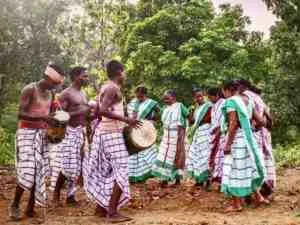
Traditional folk dances such as Karma Dance, Jhumar Dance, and Chhau Dance are performed during village festivals and cultural programs. Tribal communities also preserve their own dance and musical traditions using instruments like the Mandar, Dhol, Nagara, and Mahuri. Although modern entertainment has become popular, cultural organizations continue to promote these traditional art forms.
Many local artists perform folk songs during festivals and social gatherings. Their performances preserve the traditions of Odisha and the tribal communities of Sundargarh district. Schools and cultural organizations regularly organize competitions to encourage young people to learn traditional music and dance.
Children and villagers traditionally played games such as Kabaddi, Kho-Kho, Gilli-Danda, Kancha (marbles), Ludo, and various local outdoor games. These games promoted teamwork, physical fitness, and friendship. Although mobile phones and online games have reduced their popularity, many schools still encourage traditional sports.
During my visit to Rourkela, I found that most people depend on municipal water supply, tube wells, and bore wells. Water is available in many areas, but some localities face problems during the rainy season. Residents store water and use it carefully. They believe rainwater harvesting and better water management can solve this problem.
Rourkela is surrounded by beautiful forests and hills, especially near Vedvyas. Local people said that forests were much larger in the past. Due to industrial growth, mining, and tree cutting, forest cover has reduced. Many tribal families still collect sal leaves, honey, and medicinal plants. People support tree plantation to protect nature.
Residents shared that Rourkela’s environment has changed over the years. Industrial development has improved employment but has also increased air and water pollution. Summers are becoming hotter, and rainfall has become irregular. People believe that planting trees and controlling pollution are necessary for a healthy environment.
Most people in Rourkela work in the Rourkela Steel Plant, factories, shops, transport, construction, and small businesses. Some families also depend on agriculture and forest products. Young people are learning new skills to get better employment opportunities.
Rourkela has many government and private schools, colleges, and technical institutes. Parents encourage their children to study for a better future. However, some children from poor families still face financial difficulties in continuing their education.
Many workers come to Rourkela from nearby districts and states to work in industries and construction. They contribute to the city’s development but sometimes face challenges like housing, healthcare, and job security.
People hope that Rourkela will continue to develop while protecting its forests, rivers, and environment. They believe that cleanliness, tree plantation, water conservation, and public awareness will make the city more sustainable for future generations.
The Future of Rourkela & Preservation
Why Writing on Rourkela’s History Matters
Writing about Rourkela’s history is important because it helps preserve the city’s cultural heritage, traditions, and remarkable journey of development. Once known for its forests and tribal settlements, Rourkela transformed into one of India’s leading industrial cities after the establishment of the Rourkela Steel Plant. Documenting this journey allows future generations to understand how the city grew while maintaining its unique identity.
While preparing this project, I learned many new things about Rourkela. I discovered the historical importance of Vedvyas, the cultural diversity of different communities, the contribution of the steel plant to India’s economy, and the beauty of natural places like Hanuman Vatika and Indira Gandhi Park. I also realized that Rourkela is not only an industrial city but also a place rich in history, culture, and tradition.
Preserving Rourkela’s history is necessary because it protects our heritage and inspires young people to value their roots. If we do not record these stories today, many traditions, memories, and historical facts may disappear in the future.
Role of the Youth
The youth of Rourkela can play an important role in preserving the city’s culture and traditions. They can participate in cultural festivals, keep public places clean, plant trees, support local artists and craftsmen, and document the stories of elderly people through photographs, videos, and interviews. They can also use social media to promote Rourkela’s heritage and tourist attractions.
For the development of Rourkela, young people can organize cleanliness drives, environmental awareness campaigns, digital literacy programs, and skill development workshops. They can volunteer in community projects and encourage sustainable practices to make the city cleaner, greener, and more progressive.
My Creative Proposal
My vision for the future of Rourkela is to make it a smart, clean, green, and culturally rich city where development and heritage grow together. I believe modern industries should continue to develop while protecting nature and historical sites.
My creative proposal is to create a “Digital Heritage of Rourkela” project. In this initiative, students and local youth would collect old photographs, record interviews with senior citizens, document famous landmarks, and create a website or digital archive. This would preserve Rourkela’s history for future generations while promoting tourism and creating awareness about the city’s rich cultural heritage.
A POETIC TRIBUTE
Rourkela — Echoes of the Brahmani
Where steel meets the sky,
And dreams learn how to fly,
Among green hills and rivers wide,
Rourkela stands with strength and pride.
The Brahmani flows with stories old,
While every street holds memories untold.
From busy roads to peaceful views,
The city wears many different hues.
Its steel plant speaks of work and might,
A symbol of progress, burning bright.
Yet beyond the steel, beyond the flame,
Lives a city built on hope and dreams.
Its tribal roots, its vibrant art,
Its simple people, its generous heart—
Together they create a special place,
Where tradition and tomorrow embrace.
Rourkela is more than a city to me,
It is a chapter of my history.
A place where memories quietly stay,
And dreams grow stronger every day.
Rourkela—strong in steel,
Rich in culture, warm in heart;
A city of dreams and possibilities,
Where every new journey can start.
Conclusion
This internship project clearly demonstrates that while Rourkela has achieved great success as an industrial ‘Steel City’, its growth must not come at the cost of its environmental and cultural foundations. The fieldwork highlights critical issues such as falling groundwater levels, deforestation, and the economic pressures that drive local youth into migrant labor. Simultaneously, the fading of traditional tribal art forms and climate-resilient farming practices shows that the region’s intangible heritage is at risk.
In conclusion, Rourkela’s future depends on a balanced approach to development. Industrial progress must go hand-in-hand with saving the environment and protecting local culture. By supporting local artisans and implementing simple eco-friendly solutions like rainwater harvesting, we can help these historic communities thrive while keeping Rourkela’s original cultural identity alive.
Simran Kaur
BA pol.sci.(Hon)